Dakar + Saint-Louis — Gorée, the River and the Djoudj

  • Two UNESCO sites and the third-largest bird sanctuary on earth, from the island of Gorée to the Senegal River.
  • Good to know: Senegal asks no visa of Egyptian passport holders — but the yellow fever certificate is compulsory, and malaria prophylaxis is essential.
Duration

8 Days 7 Nights

Route

Dakar → Saint-Louis → Dakar

Transport

Private Minibus on the RN2

Best For

UNESCO and Birdlife

Overview

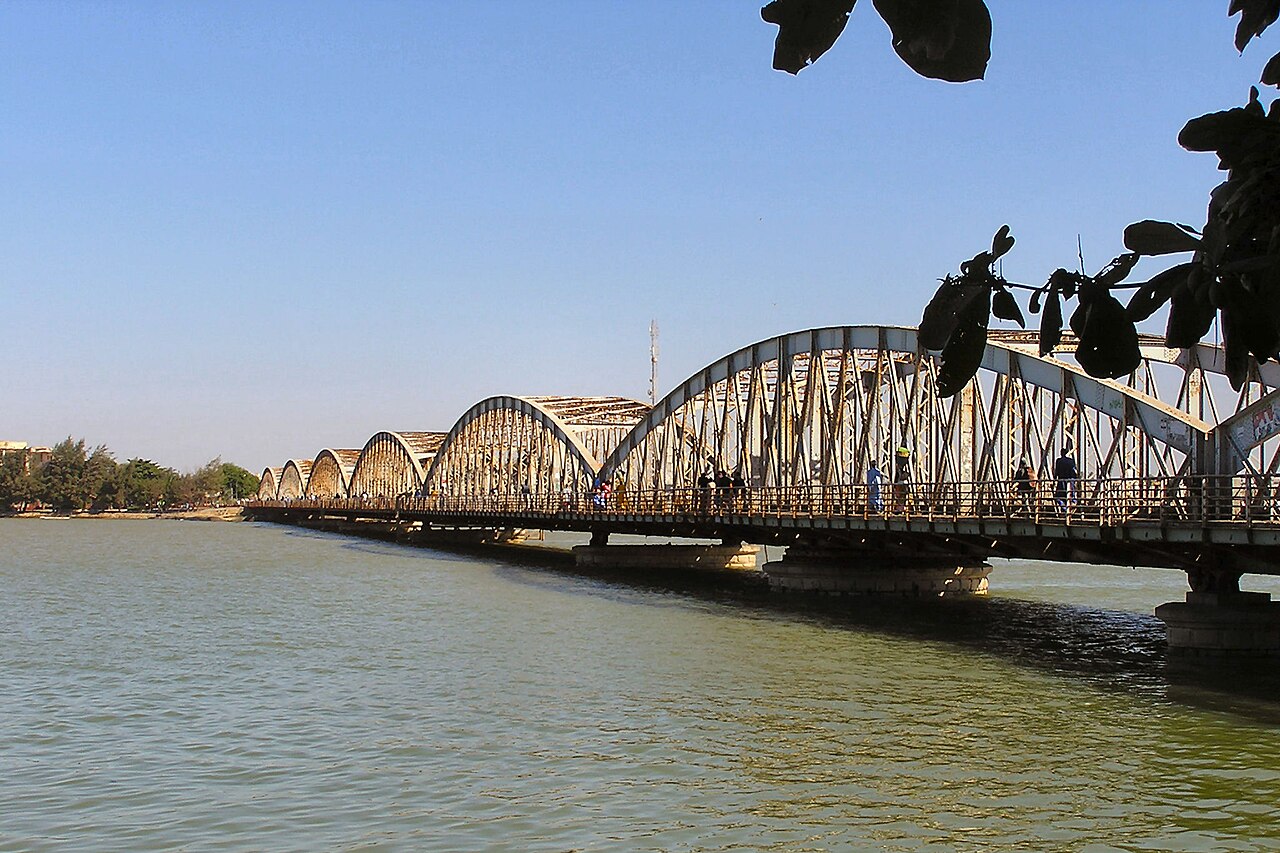
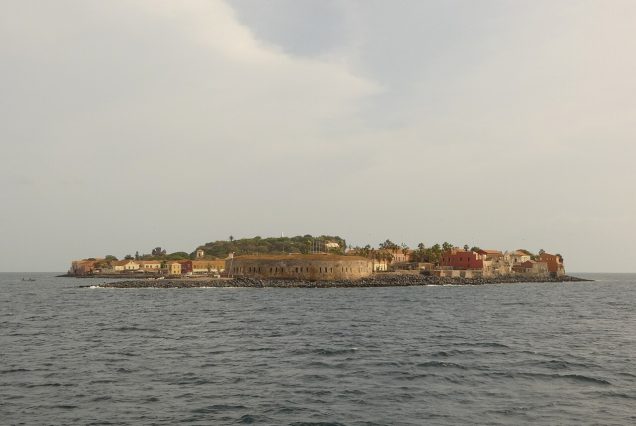
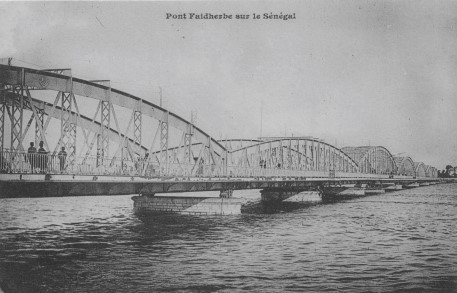
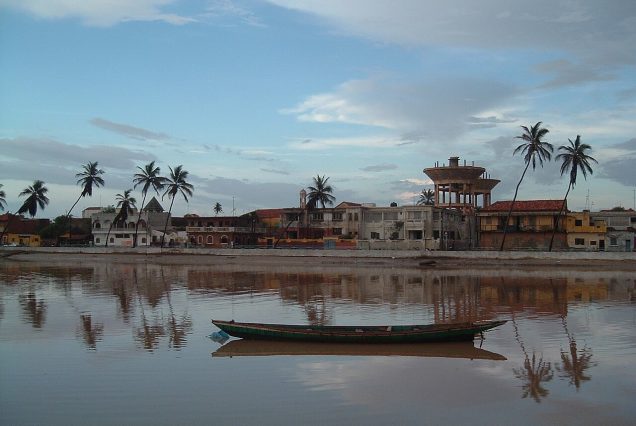
Eight days along the Senegalese coast, from the Atlantic capital to the mouth of the great river. Dakar opens the journey, and on the second day the ferry crosses twenty minutes of water to Gorée, listed by UNESCO in 1978, where the House of Slaves and its Door of No Return face the ocean between walls of ochre and bougainvillea. Then north on the RN2 to Saint-Louis, founded by the French in 1659 and capital of Senegal from 1872 to 1957, its island laid out on a grid of quays and balconied houses and listed by UNESCO in 2000. The Faidherbe Bridge, 508 metres of steel that swings open on its central pier, links it to the mainland — built in 1897 by Nouguier, Kessler et Cie of Argenteuil, not by Gustave Eiffel, whose competing design was rejected. Three nights here: the fishermen’s quarter of Guet N’Dar and its forest of painted pirogues, the sandspit of the Langue de Barbarie, and a full day at the Djoudj National Bird Sanctuary, sixty-five kilometres upriver, where three million birds of 350 species gather and the white pelicans come home to roost in the afternoon. The road back to Dakar passes Lake Retba and its salt harvesters.

What Makes This Tour Special?

  • No visa required for Egyptian passport holders — Senegal places Egypt in its visa-exempt category B.
  • Gorée and the island of Saint-Louis: two UNESCO World Heritage sites in a single itinerary.
  • The Djoudj, the third-largest bird sanctuary in the world: three million birds, 350 species, visited by pirogue in the afternoon when the pelicans return.
  • The real history of the Faidherbe Bridge, told properly — the Eiffel design was turned down, and the bridge still swings open on its pier.
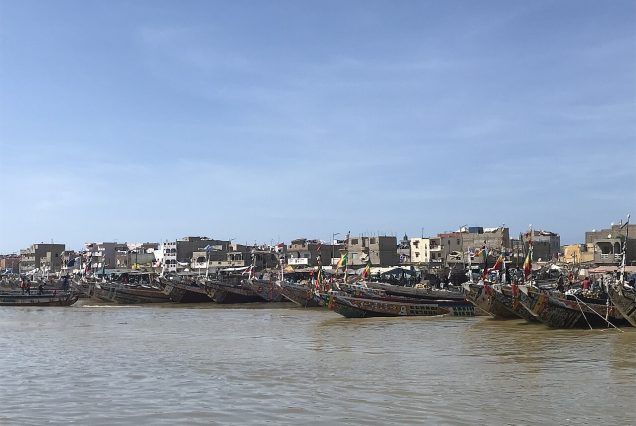
  • Guet N’Dar, one of the most densely populated fishing quarters in West Africa, and its hundreds of painted pirogues.
  • French is the official language and Arabic is widely understood in religious circles — an unusually easy destination for an Arabic-speaking group.
  • Best run between December and March, when the dry season, the migratory peak at the Djoudj and the pink of Lake Retba all coincide.
  • Two dedicated French-speaking guides and a professional photographer travelling with you throughout, plus a complete photo album.

Included/Excluded

  • Round-trip international flights via Casablanca or Tunis and all private transfers
  • 7 nights accommodation in Dakar and on the island of Saint-Louis
  • Goree ferry and private guided visit of the House of Slaves, plus all entrance fees
  • Pirogue excursions on the Langue de Barbarie and in the Djoudj National Bird Sanctuary
  • Local SIM with data, dedicated guides and a professional photographer (photo album)

Tour Plan

Day 01 Arrival in Dakar and Welcome Briefing

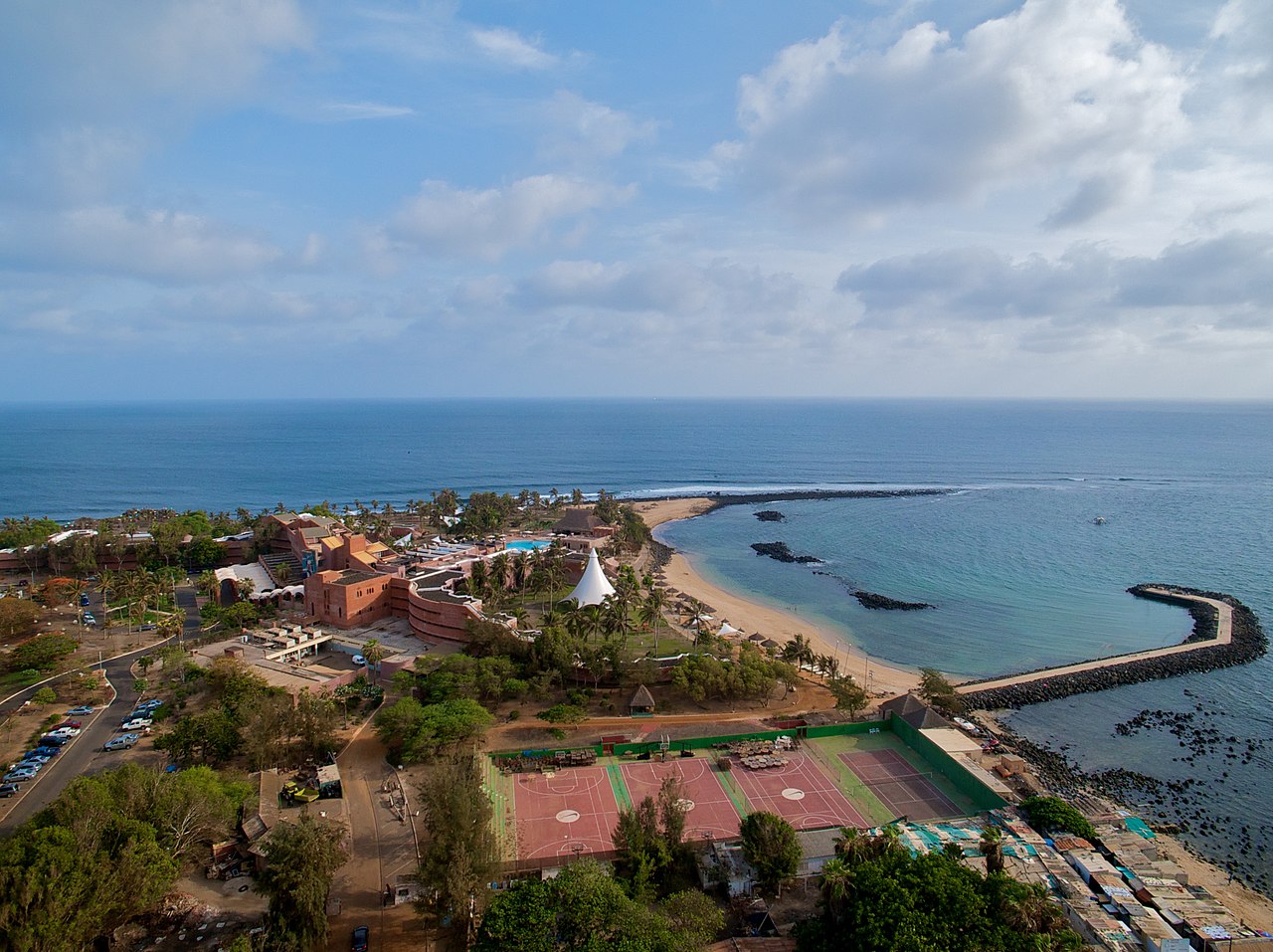
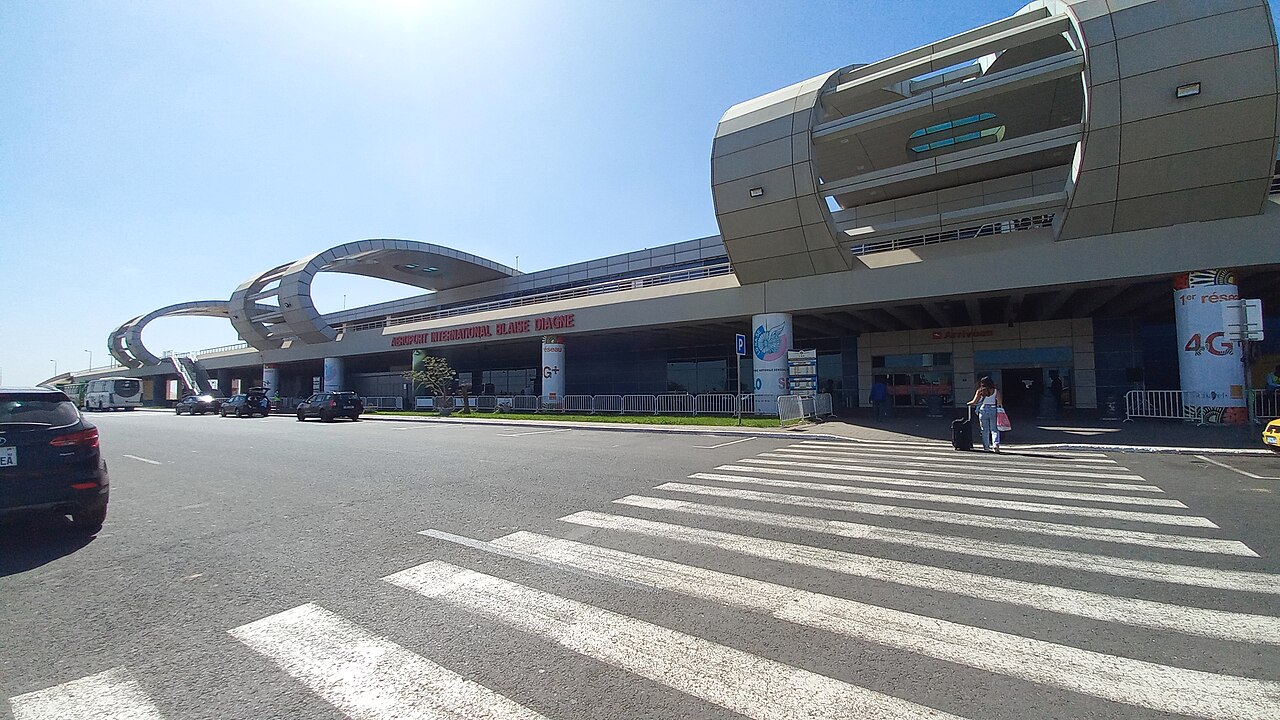
Your Africa Tour Travel representative greets you at Blaise Diagne International Airport at Diass and accompanies you on a private transfer into Dakar — the airport is 45 kilometres from the city, so allow up to an hour and a half. After check-in we hold a friendly welcome meeting: a full day-by-day walkthrough of your programme, how each excursion works, malaria precautions, and the rule about not walking the Corniche after dark. We set up your local SIM card with data and add you to our WhatsApp group. Sunset at the Pointe des Almadies, the westernmost point of Africa.

WELCOME DINNER

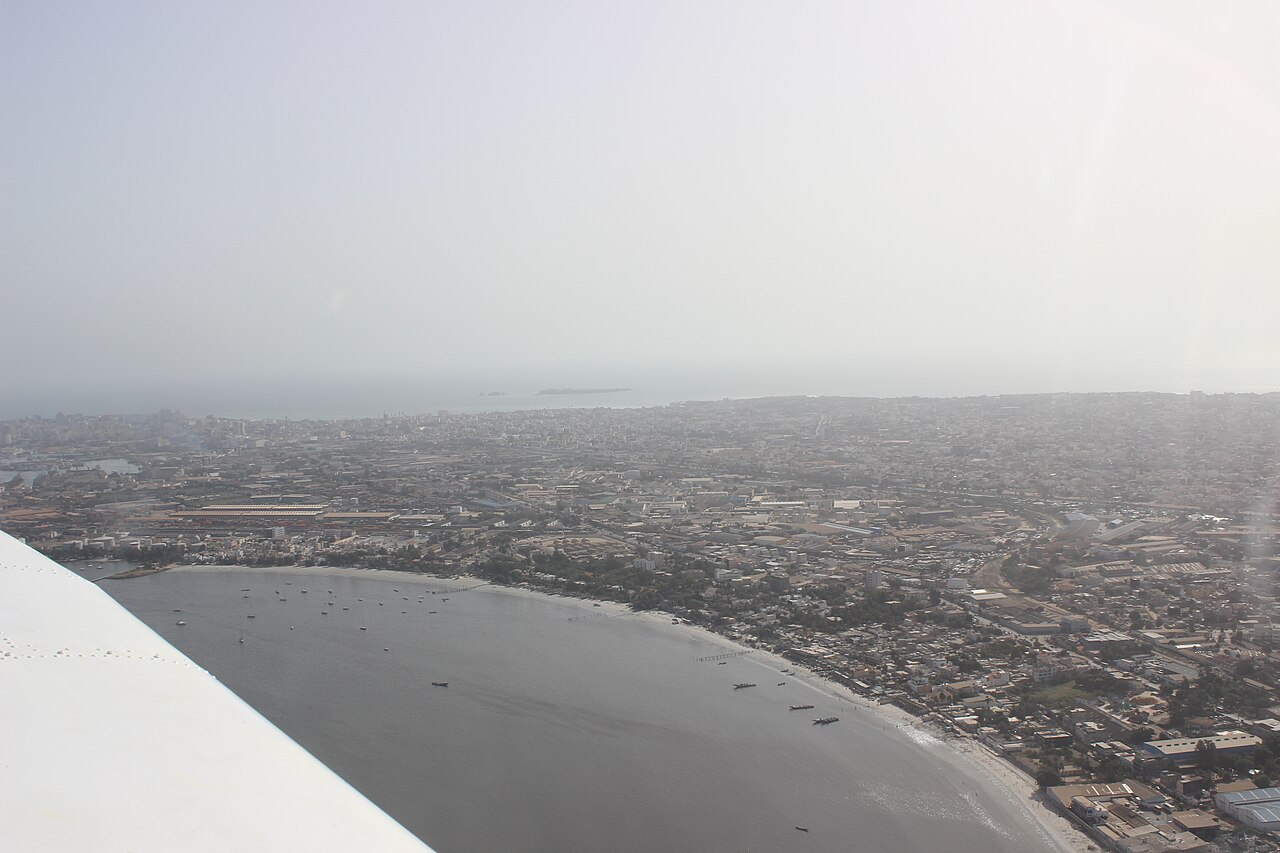
Aeroport international Blaise Diagne, Diass Vue aerienne de Dakar et de la presqu ile du Cap-Vert La pointe des Almadies, extremite occidentale de l Afrique

Day 02 The Island of Gorée

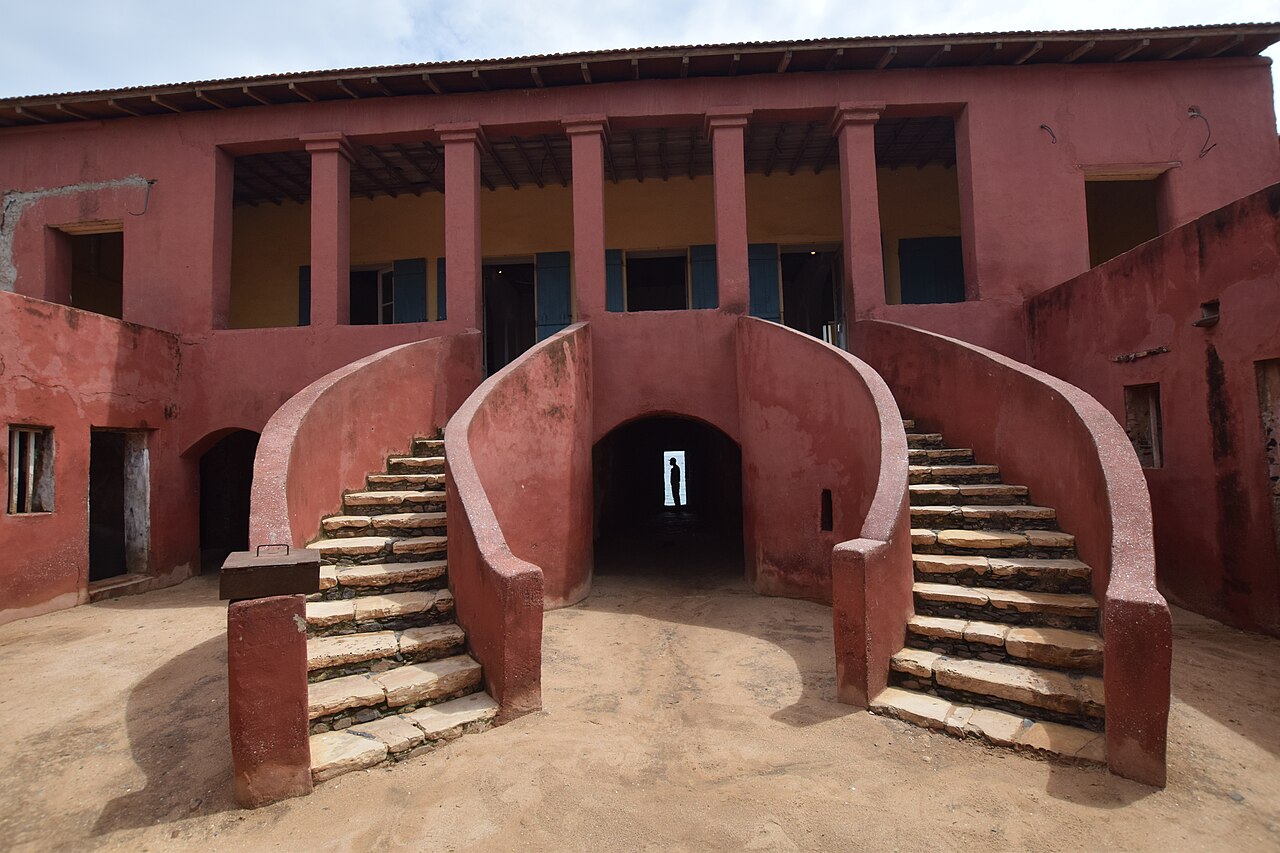
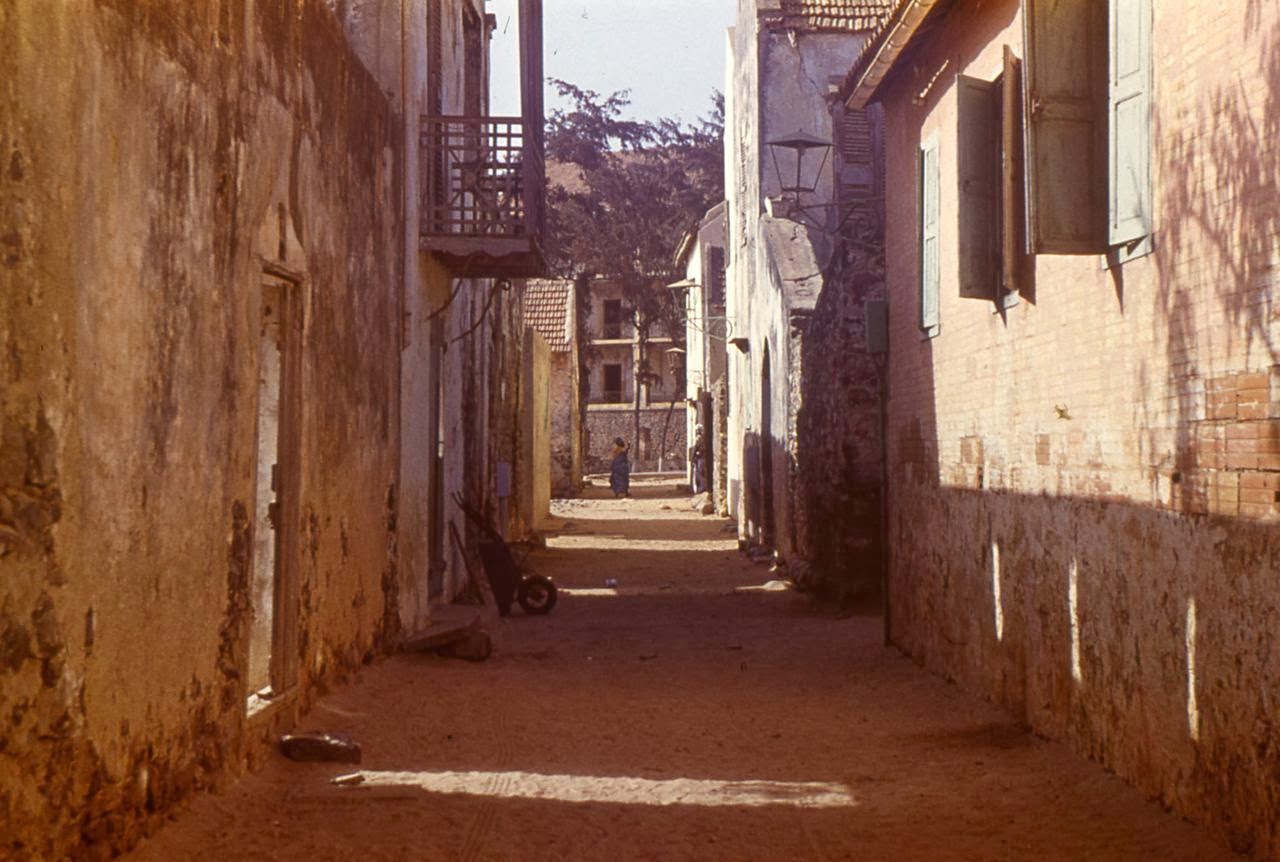
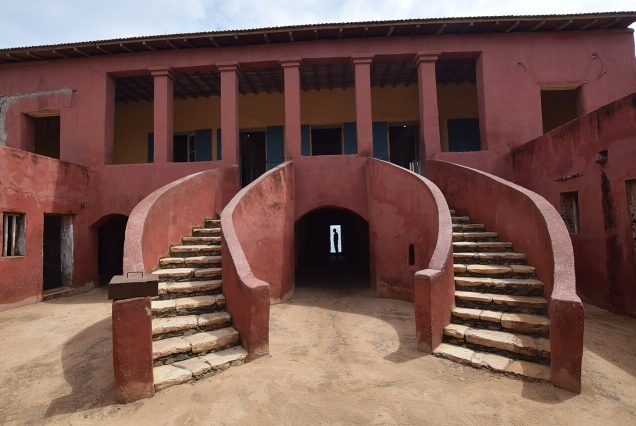
The ferry leaves the maritime terminal and crosses in twenty minutes to Gorée, listed by UNESCO in 1978. No cars, no tarmac: ochre houses, bougainvillea and basalt walls. The visit centres on the House of Slaves and its Door of No Return facing the Atlantic — we book a private guided visit in French so the group has the building to itself. The rest of the day is for the Castel, the artists' workshops and lunch on a terrace above the water. Bring your identity papers, they are checked at the jetty.

BREAKFAST | LUNCH
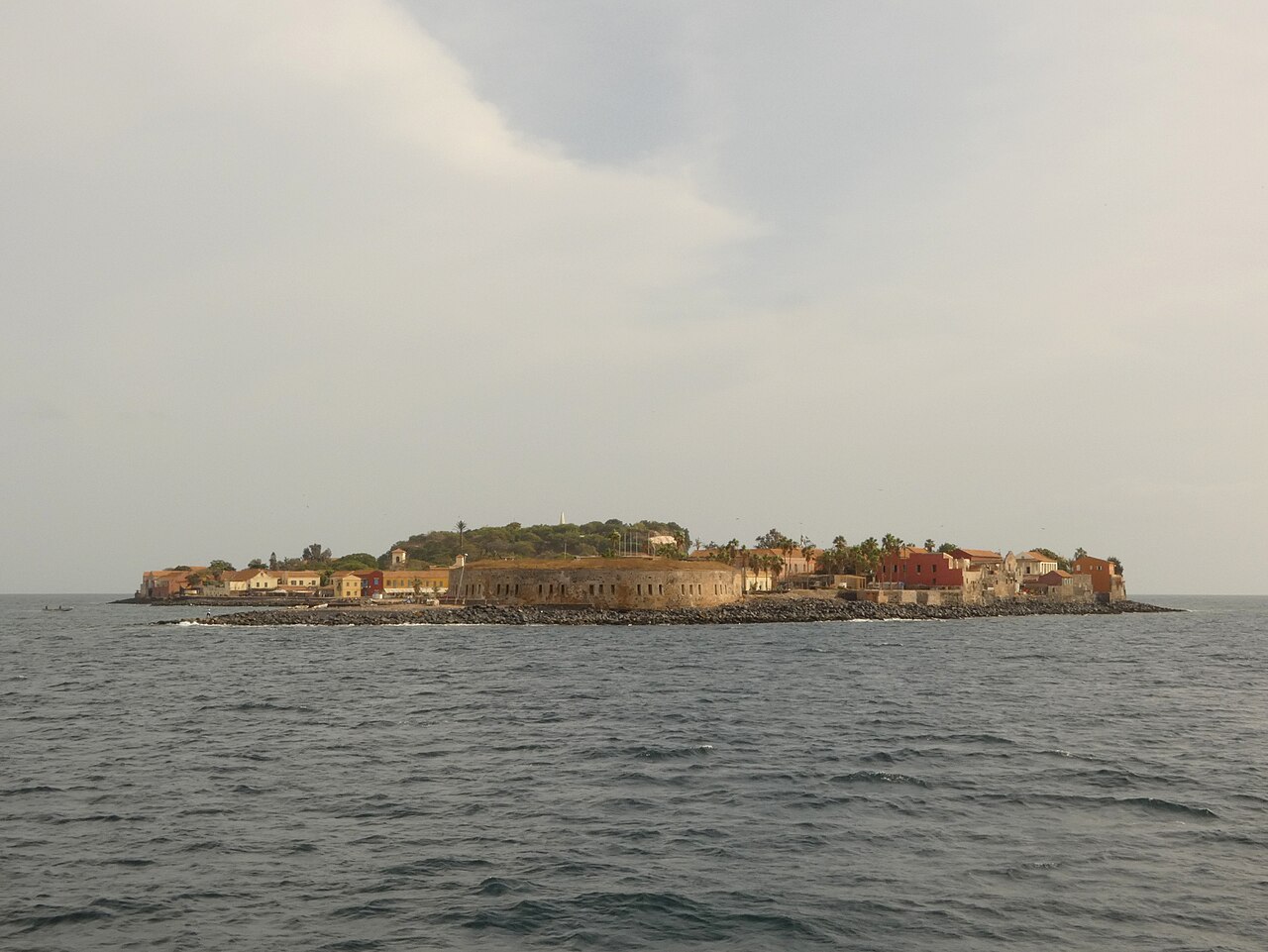
L ile de Goree vue depuis la mer La Maison des Esclaves de Goree Ruelle et maisons coloniales de l ile de Goree

Day 03 North to Saint-Louis on the RN2

An early start — there is no motorway to Saint-Louis and no passenger train, so the RN2 takes about five hours through Thiès, Tivaouane and Louga, and we never drive after dark. Arrival on the island in the late afternoon, founded by the French in 1659 and capital of Senegal from 1872 to 1957, listed by UNESCO in 2000 for its grid of quays and balconied houses. First walk across the Faidherbe Bridge: 508 metres of steel opened in 1897, built by Nouguier and Kessler of Argenteuil — Gustave Eiffel's competing design was turned down.

BREAKFAST | LUNCH | DINNER
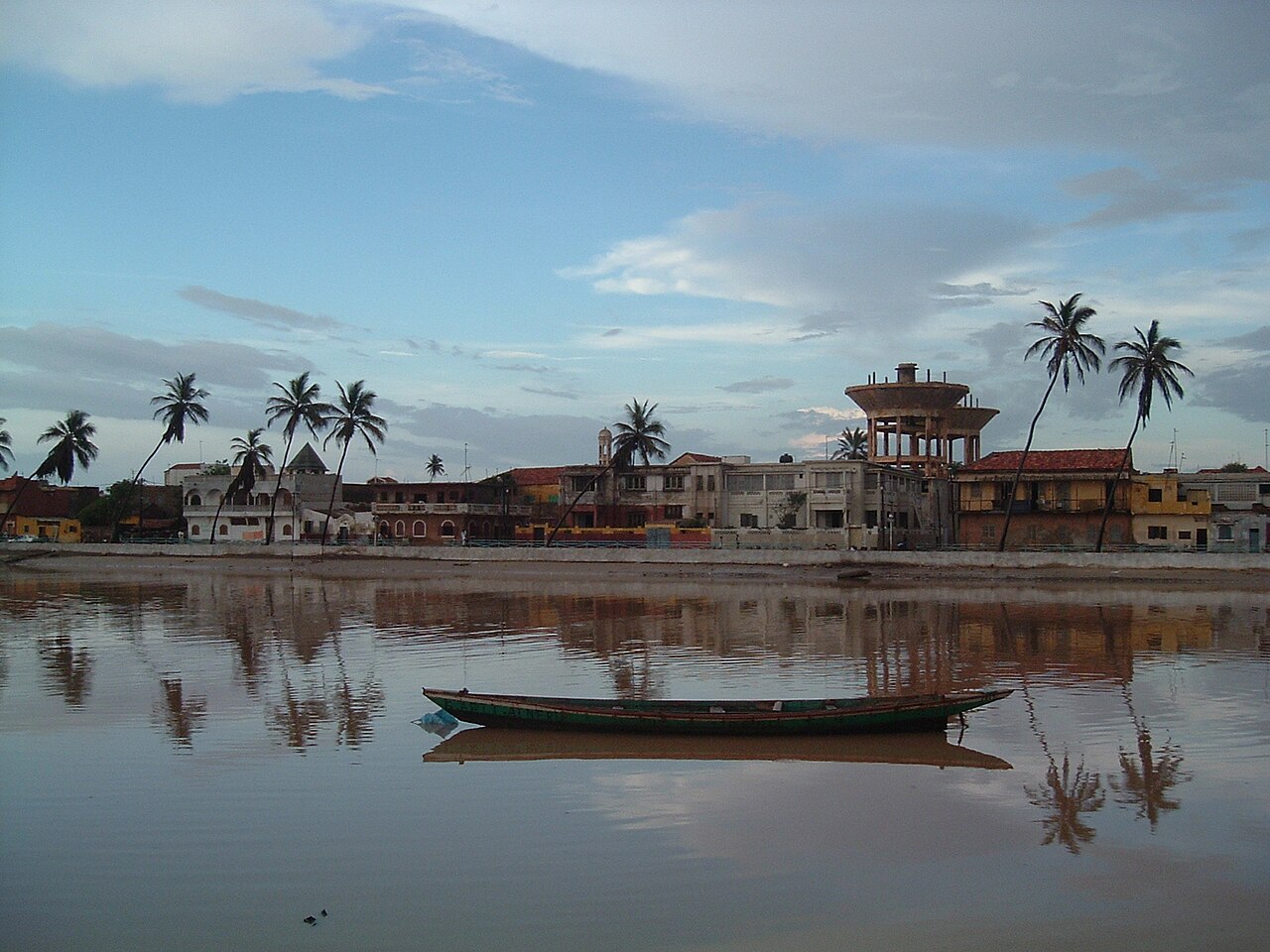
Architecture coloniale de l ile de Saint-Louis Le pont Faidherbe reliant l ile de Saint-Louis au continent Le pont tournant Faidherbe, 508 metres d acier

Day 04 Guet N'Dar and the Langue de Barbarie

A morning in Guet N'Dar, the fishing quarter on the sandspit — one of the most densely populated places in West Africa, where hundreds of painted pirogues are drawn up on the beach and the catch comes in at midday. In the afternoon, a pirogue takes us down the Langue de Barbarie National Park, two thousand hectares of dune and lagoon created in 1976, where flamingos, pelicans and terns gather and marine turtles come ashore to lay. Your guides will explain how the 2003 breach reshaped this whole coast.

BREAKFAST | LUNCH
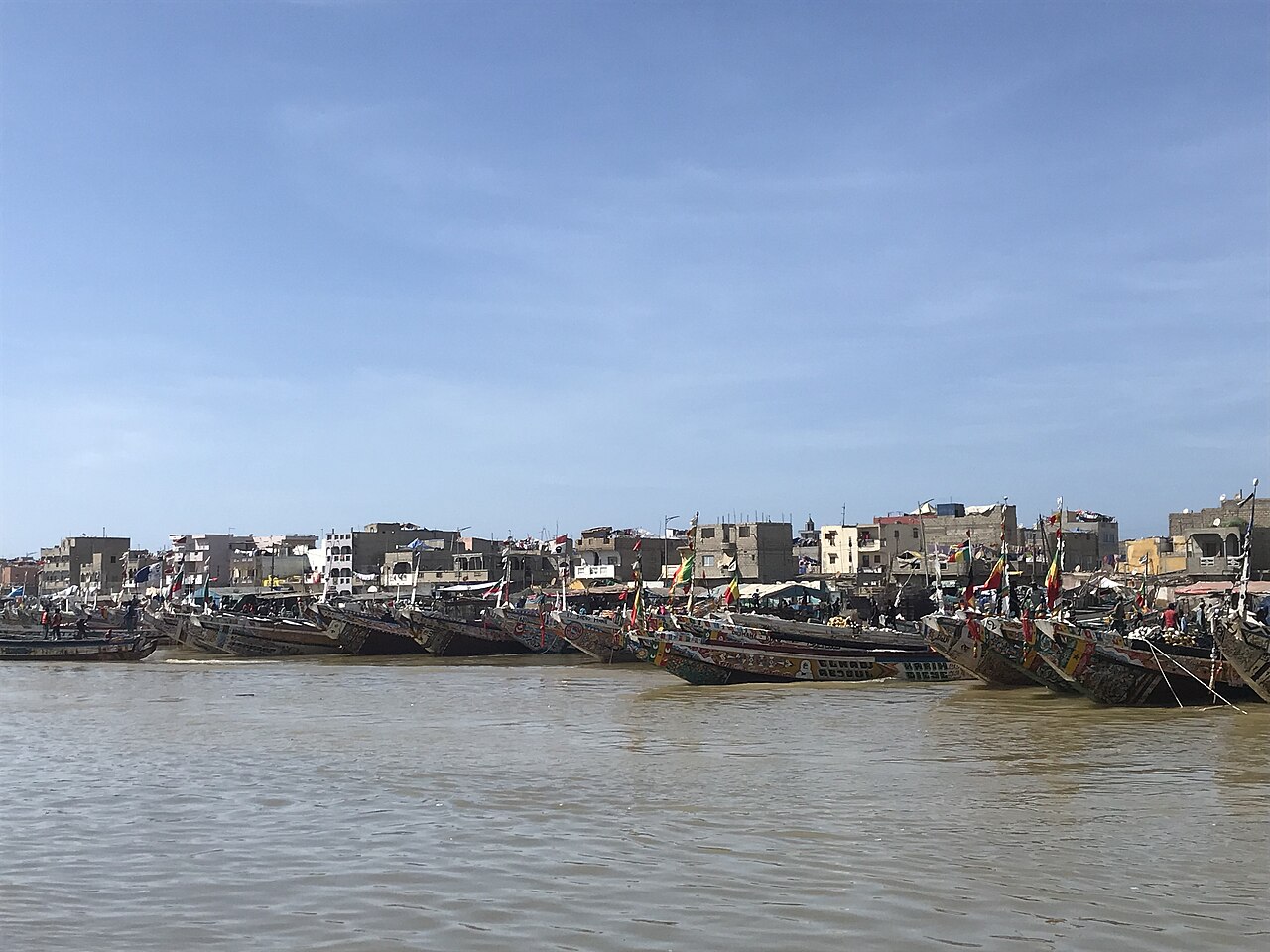
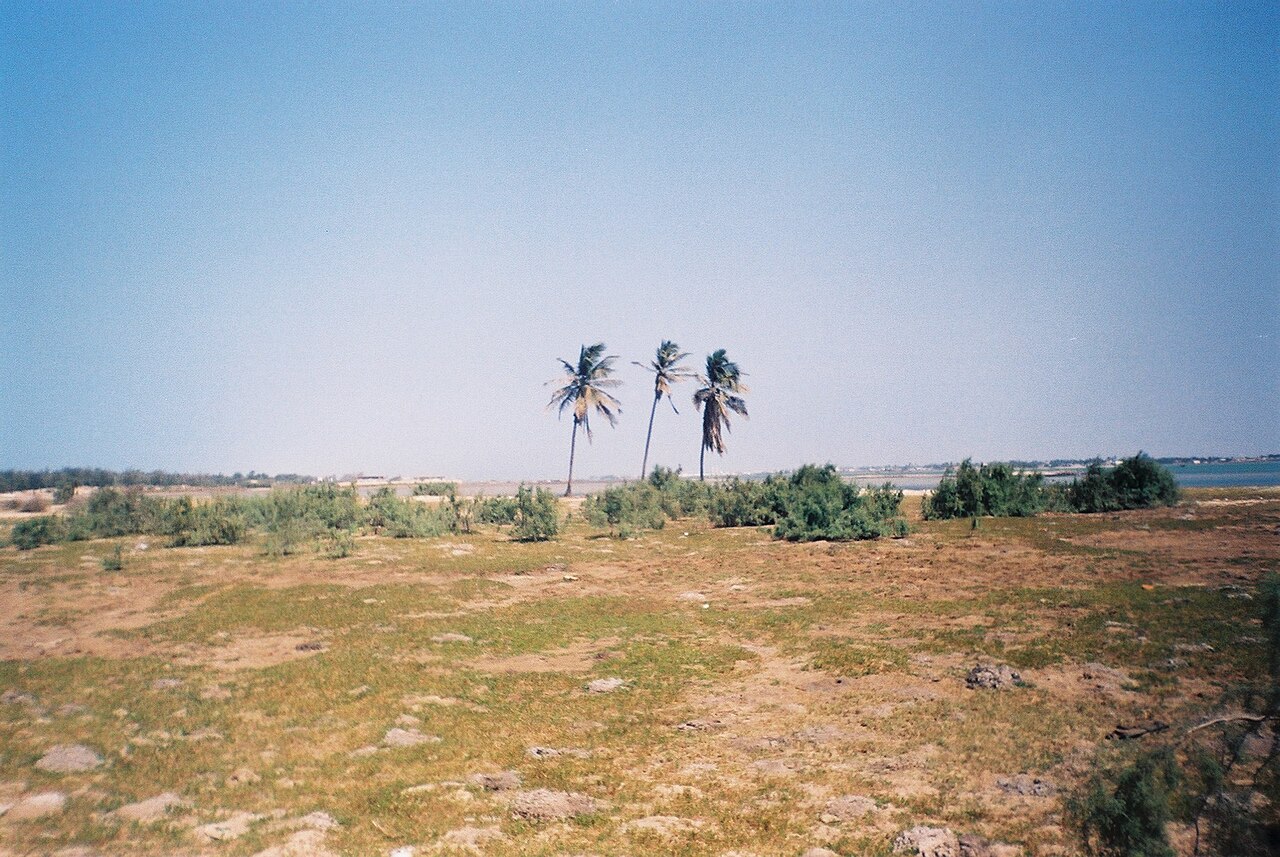
Les pirogues peintes des pecheurs de Guet N Dar La Langue de Barbarie, cordon sableux au sud de Saint-Louis

Day 05 The Djoudj National Bird Sanctuary

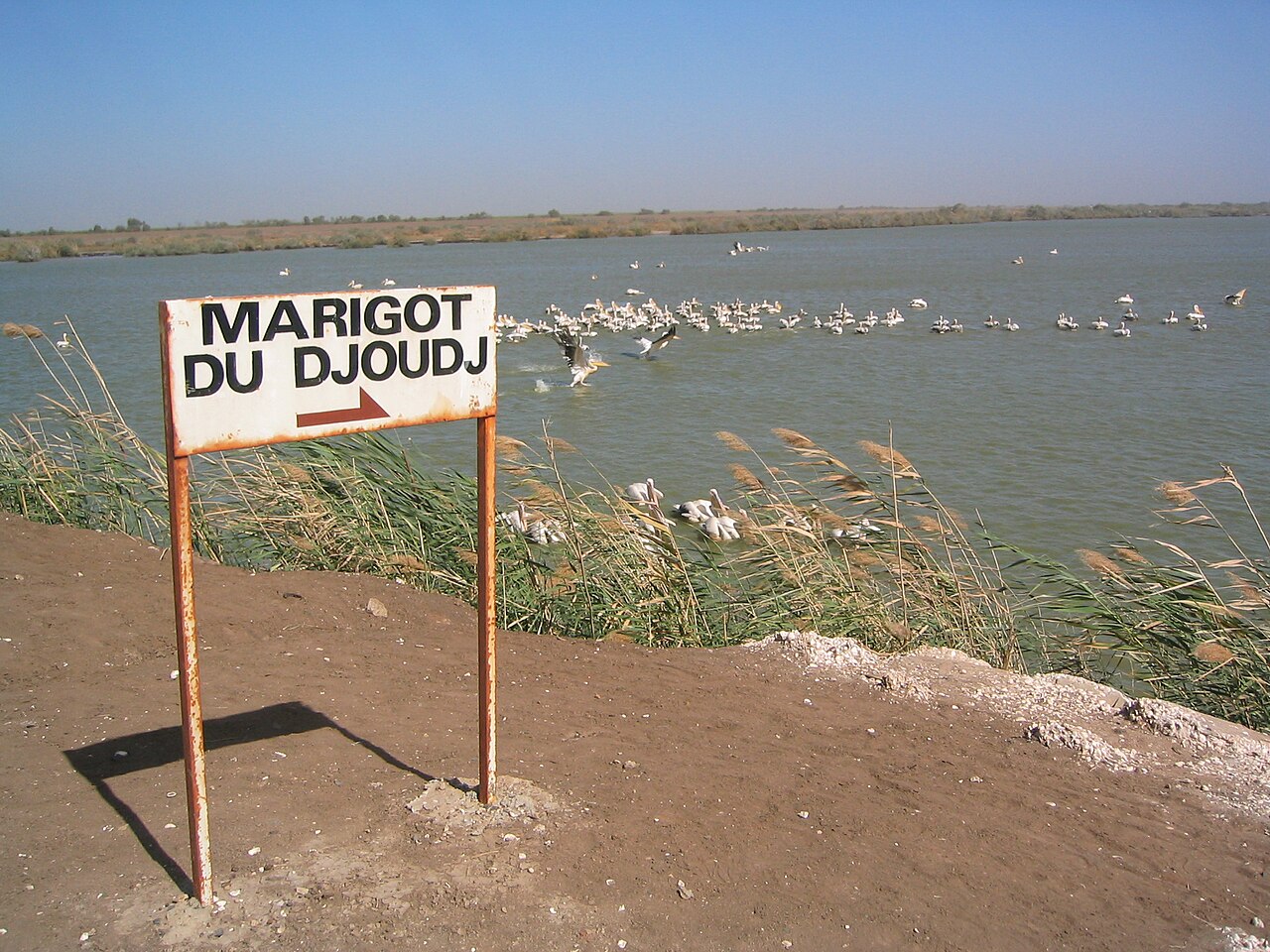
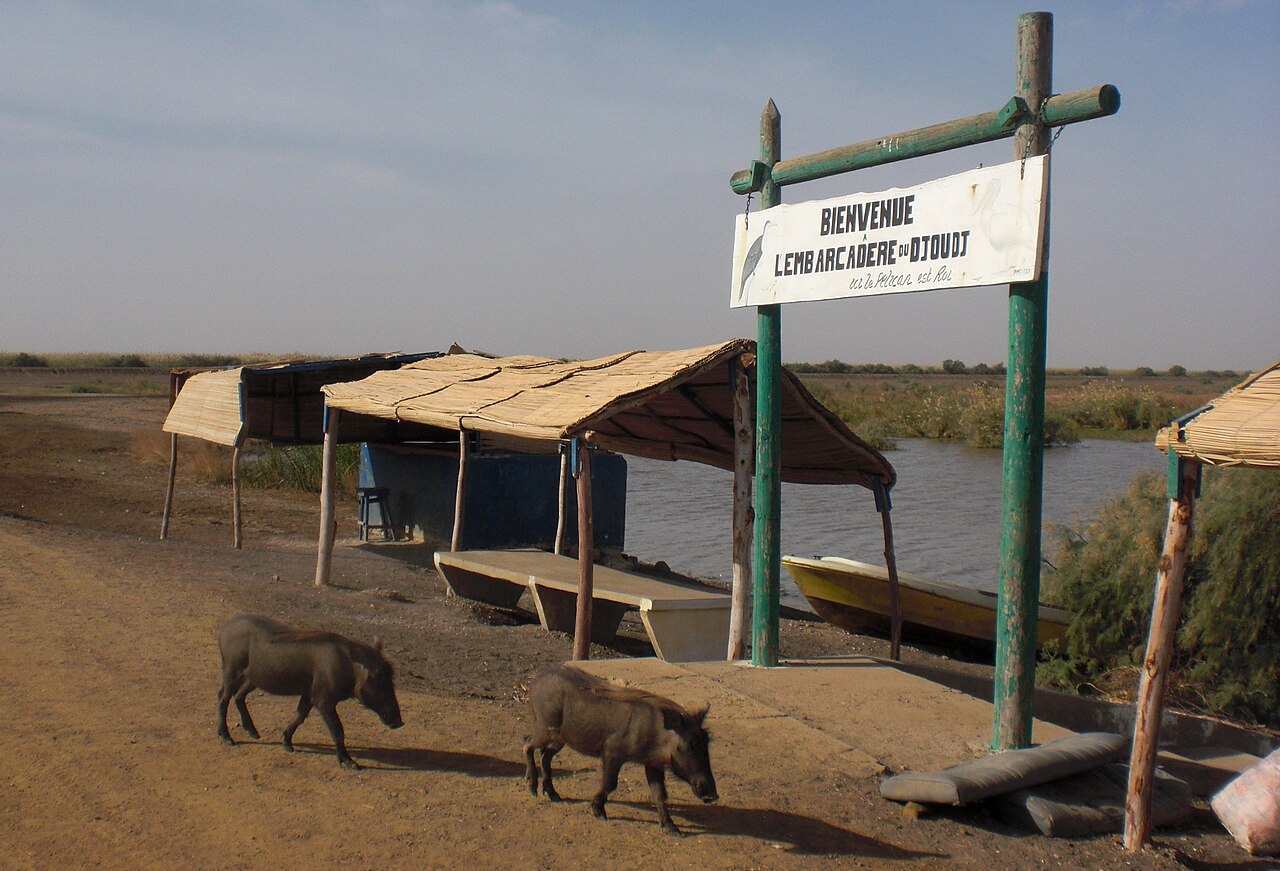
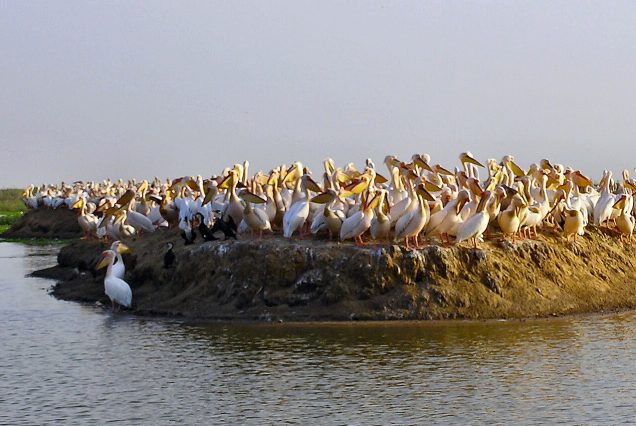
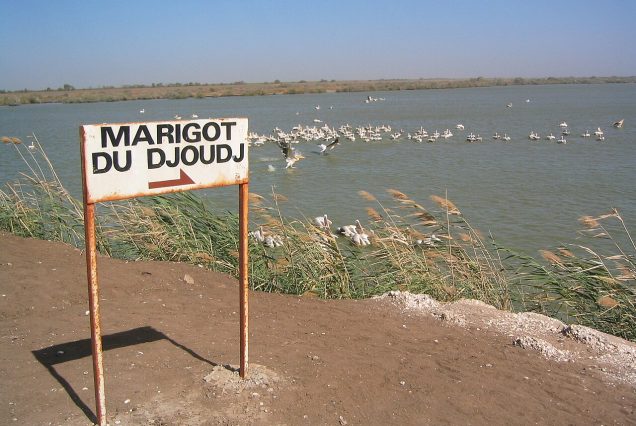
Sixty-five kilometres upriver, about an hour and a half, to the Djoudj — listed by UNESCO and the third-largest bird sanctuary in the world, where some three million birds of 350 species winter on the Senegal River delta. We go by pirogue and we go in the afternoon, deliberately: that is when the great white pelicans come back from fishing and settle on the island in their thousands. Flamingos, cormorants, herons and egrets, with warthogs and Nile monitors on the banks.

BREAKFAST | LUNCH | DINNER
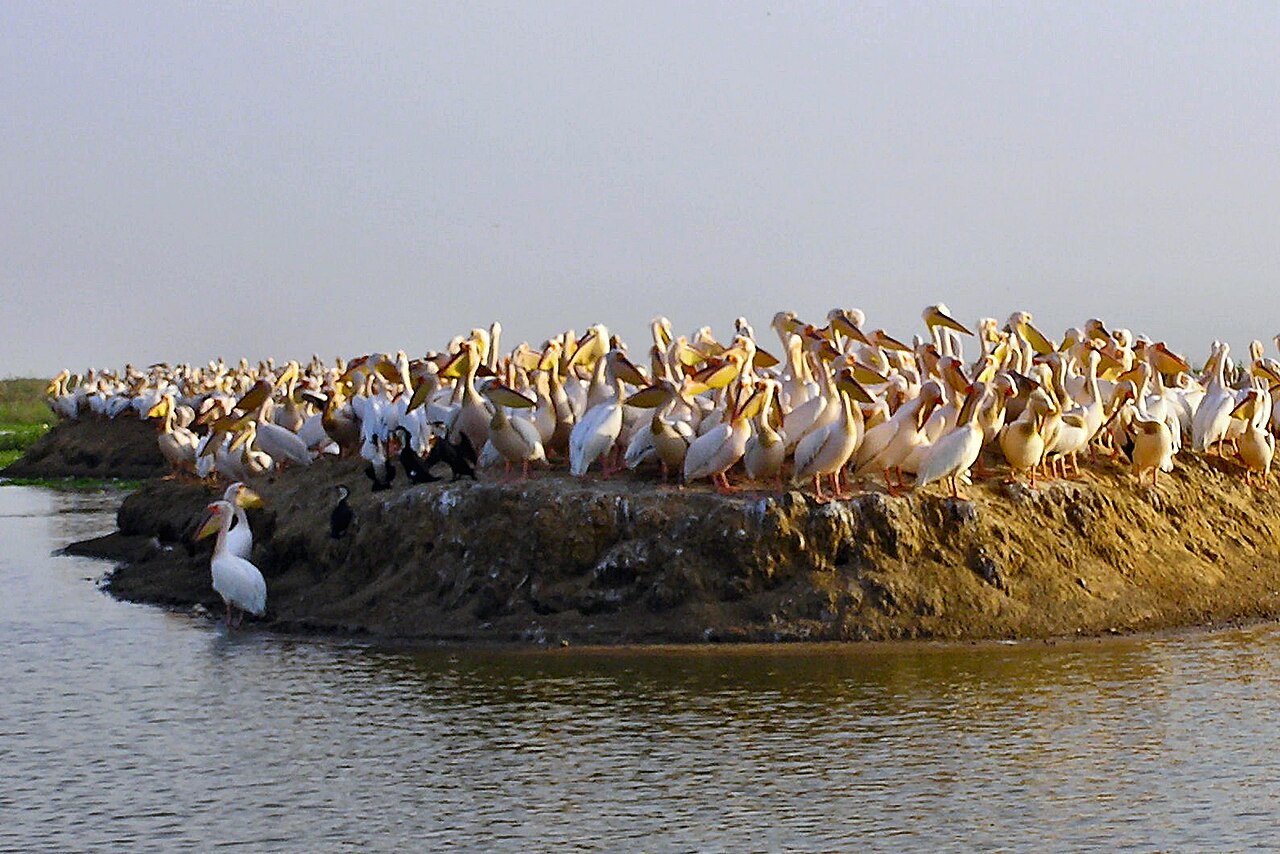
Pelicans blancs sur l ile aux oiseaux du Djoudj Oiseaux d eau du parc national du Djoudj Embarcadere et pirogues du parc du Djoudj

Day 06 Back to Dakar via Lake Retba

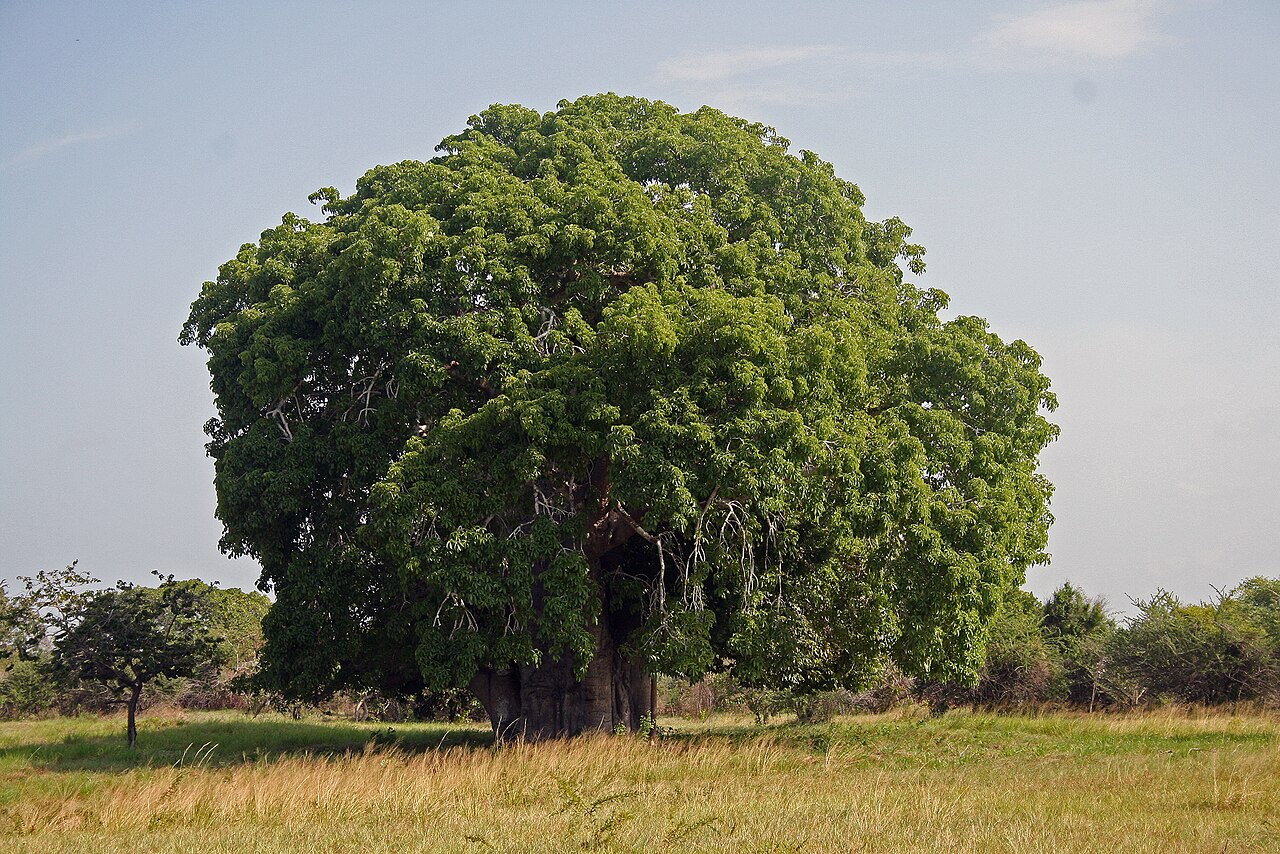
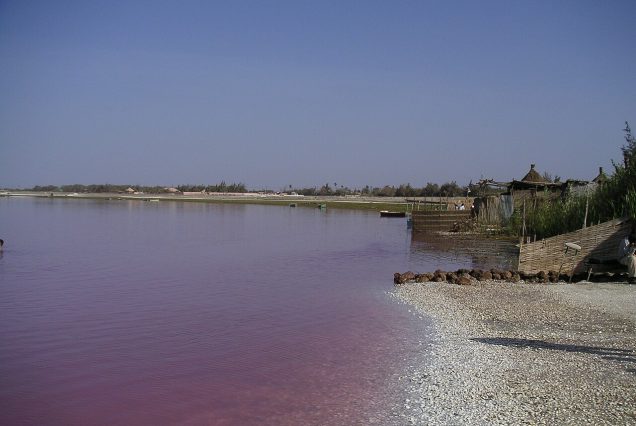
The road south, with a stop at Lake Retba, the Pink Lake, thirty kilometres from Dakar. Its colour comes from a salt-loving alga and it is real but capricious — it faded after the floods of 2022 and returned in 2025, and it shows best in the dry season, in the middle of a sunny day. We watch the salt harvesters working waist-deep, but we do not swim: the water is far too saline. Baobabs and Fulani villages on the way back into the city.

BREAKFAST | LUNCH
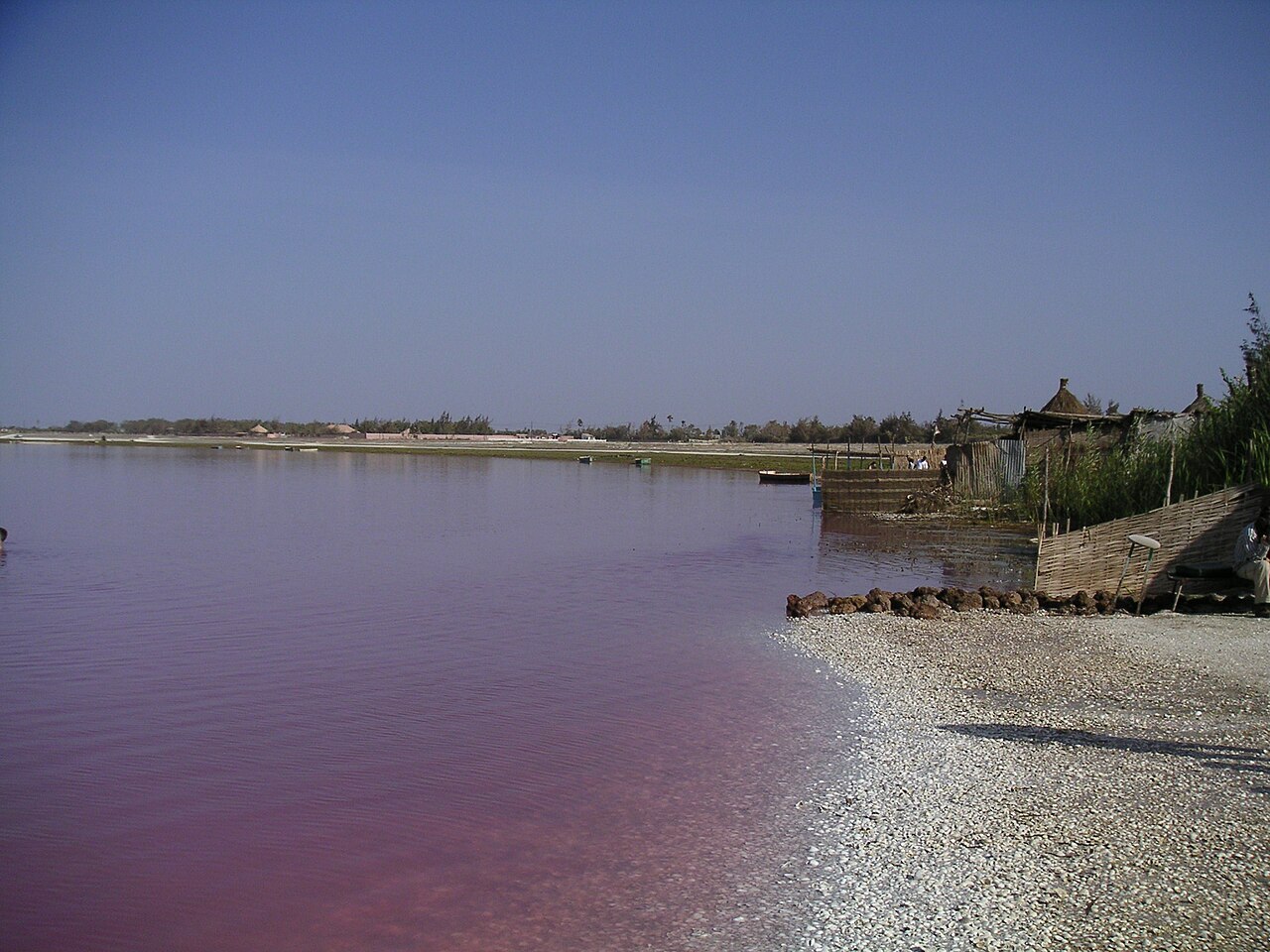
Le Lac Rose, lac Retba, au nord-est de Dakar Baobab africain

Day 07 Dakar — Museums, Monument and Markets

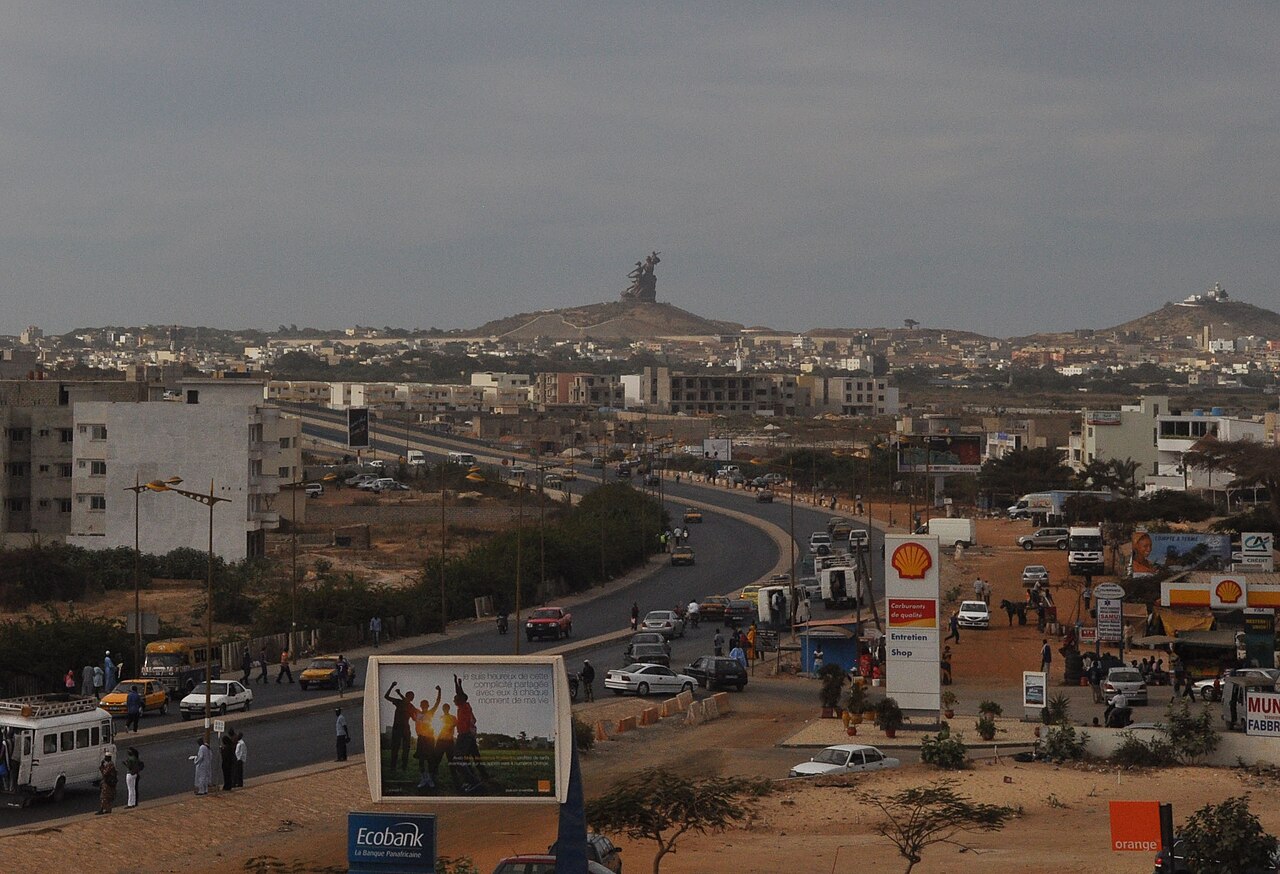
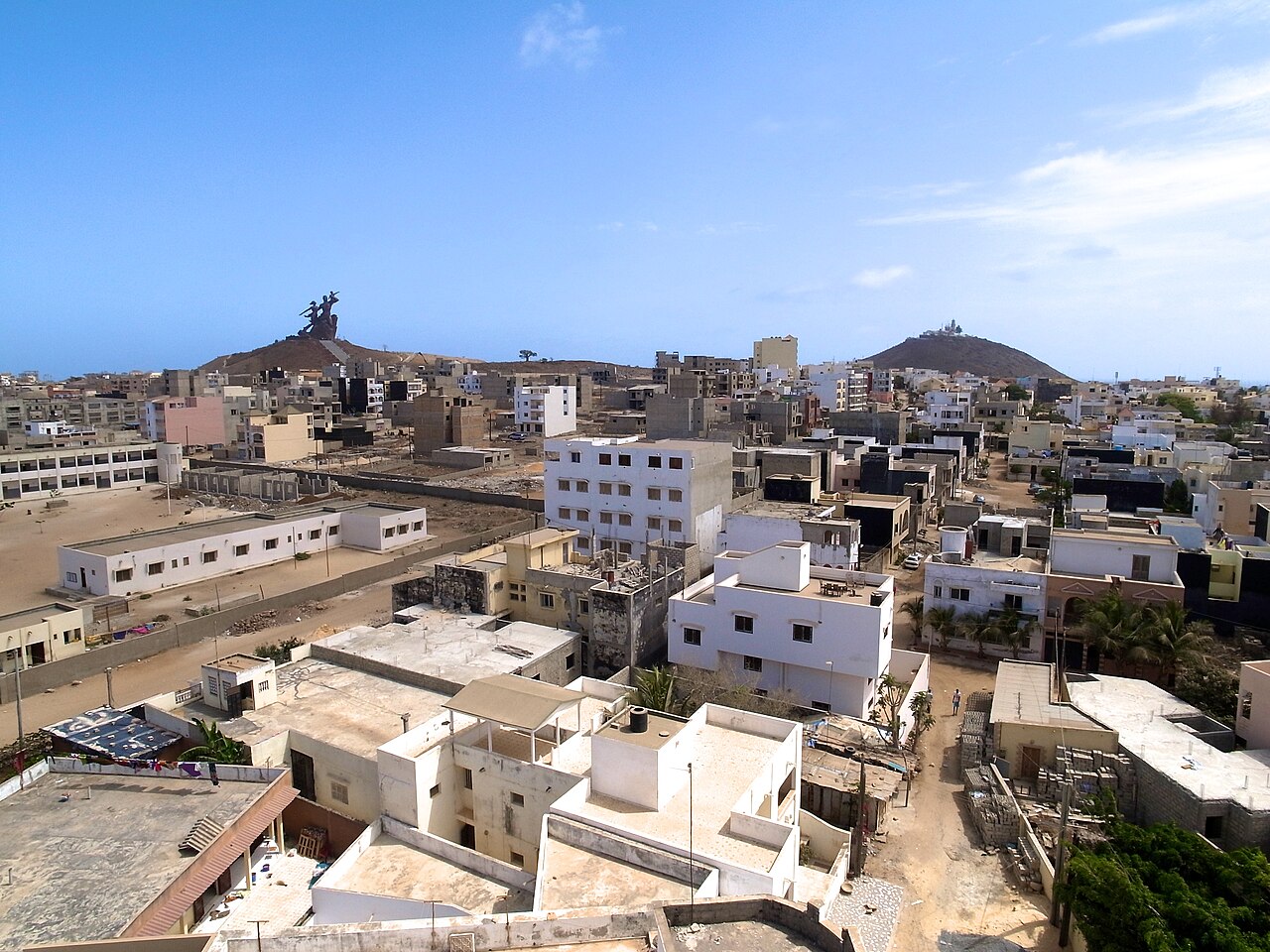
The Museum of Black Civilisations, opened in 2018, thirteen thousand square metres on four levels in a rotunda inspired by the impluvium houses of Casamance. Then the African Renaissance Monument on the Mamelles hill, whose belvedere in the head of the statue gives the widest view over the peninsula. The afternoon is for the Kermel market, the colonial hall of the Plateau, for cloth, spices and crafts — note that the historic Sandaga market was demolished in 2020 and has not been rebuilt. Farewell dinner and screening of your photo report.

BREAKFAST | DINNER
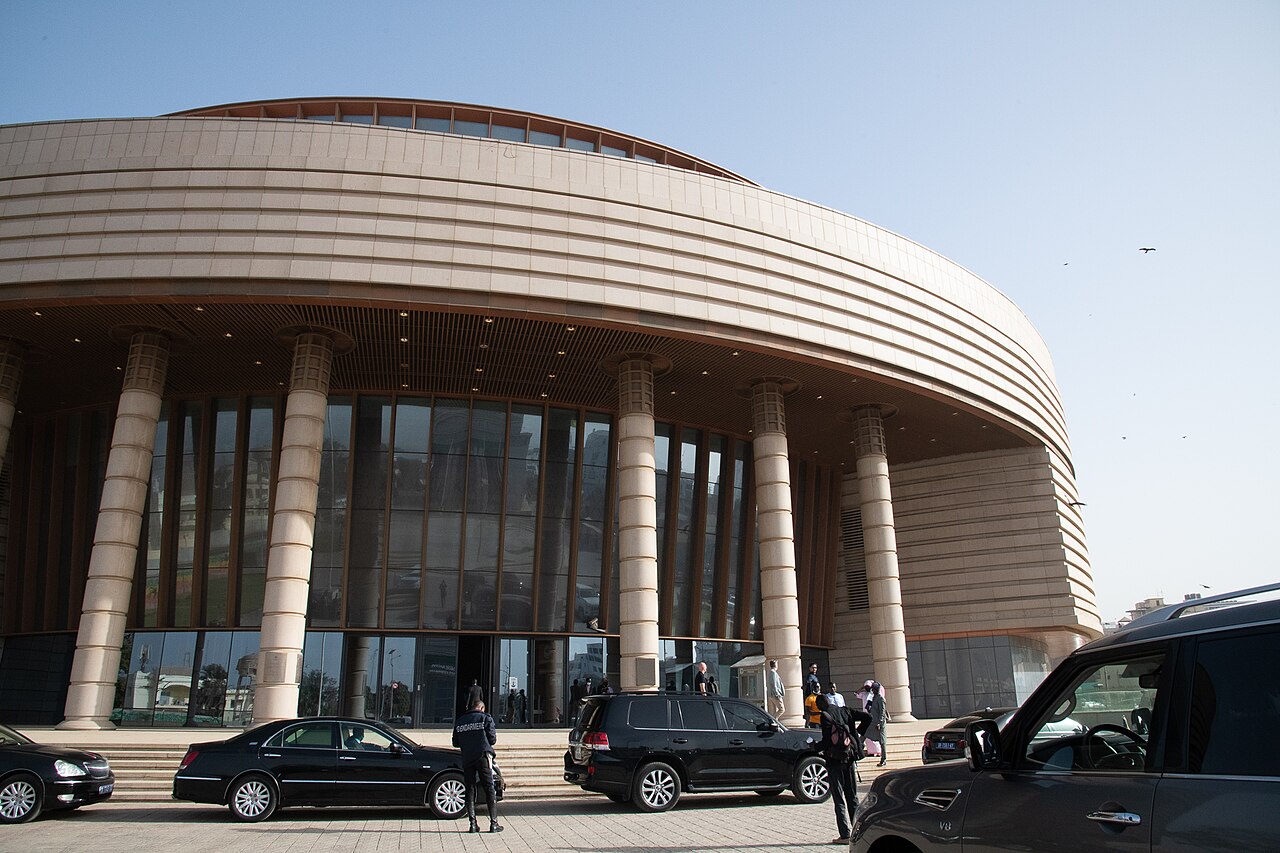
Le Musee des Civilisations noires a Dakar La colline des Mamelles a Dakar La colline des Mamelles et le phare de Dakar

Day 08 Departure

A final Senegalese breakfast, then a private transfer to Blaise Diagne International Airport, with photos and a personal album to treasure. We leave a wide margin: the airport is 45 kilometres from Dakar and the toll road can be slow.

BREAKFAST
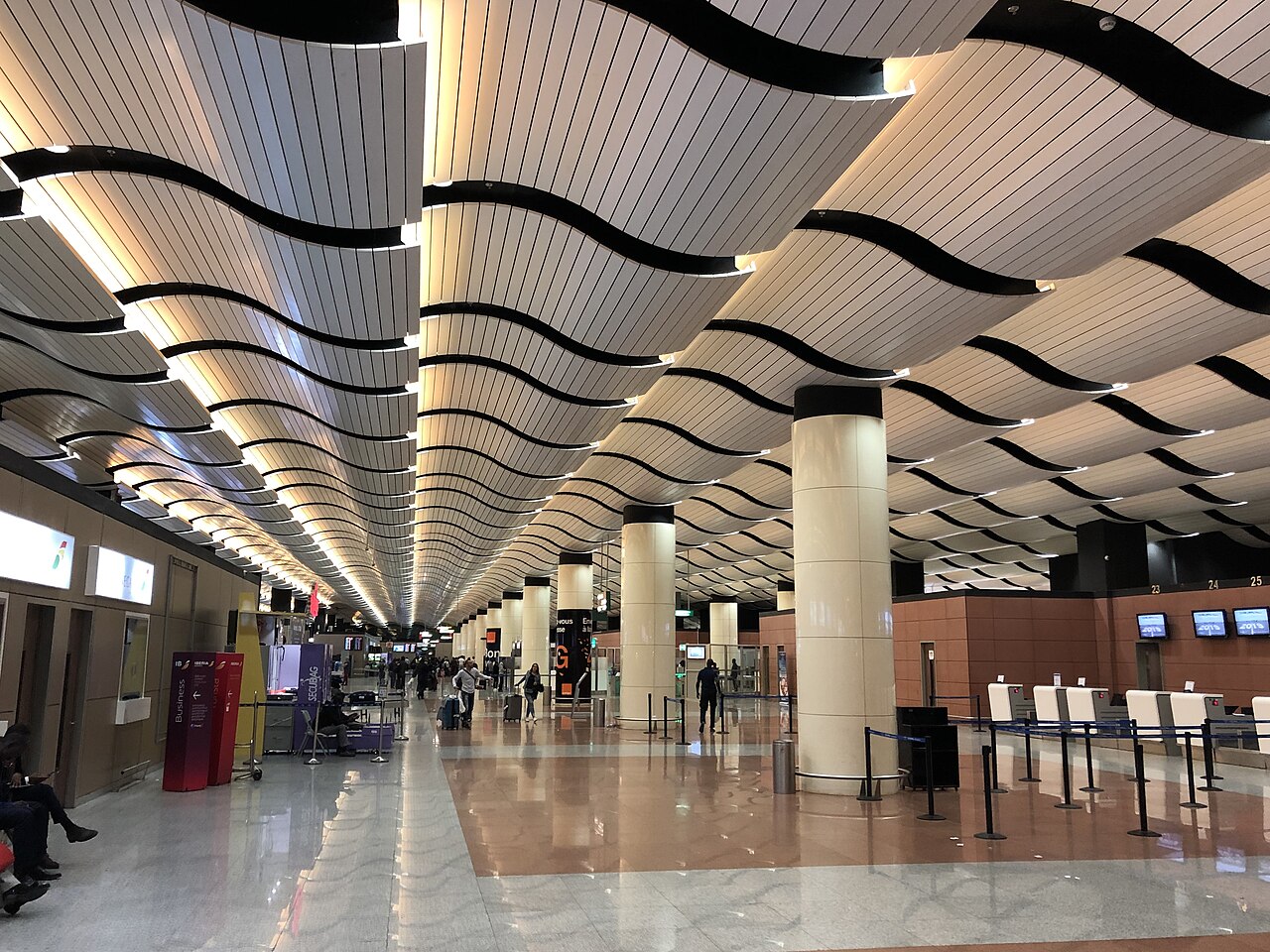
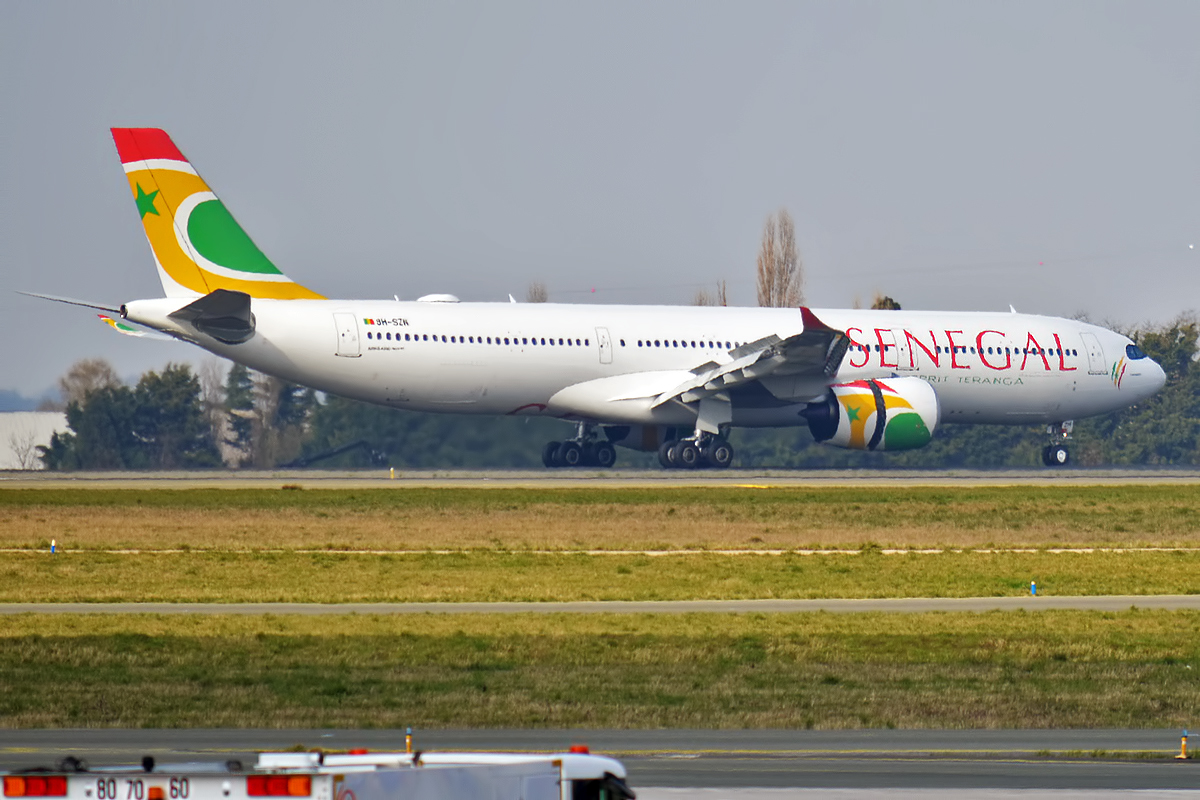
Hall des departs de l aeroport de Dakar Airbus A330neo d Air Senegal Terminal de l aeroport international Blaise Diagne

Reviews

There are no reviews yet.

Be the first to review “Dakar + Saint-Louis — Gorée, the River and the Djoudj”

Your email address will not be published. Required fields are marked *

From
$4,800.00
Booking Form
Request Form

Guests

0

Adults

$4,800.00

Children

$0.00

Babies

$0.00

Tools

Tour Guide

File

Available:
Total:

Guests

0

Adults

$4,800.00

Children

$0.00

Babies

$0.00

Tools

Tour Guide

File