Tour Plan
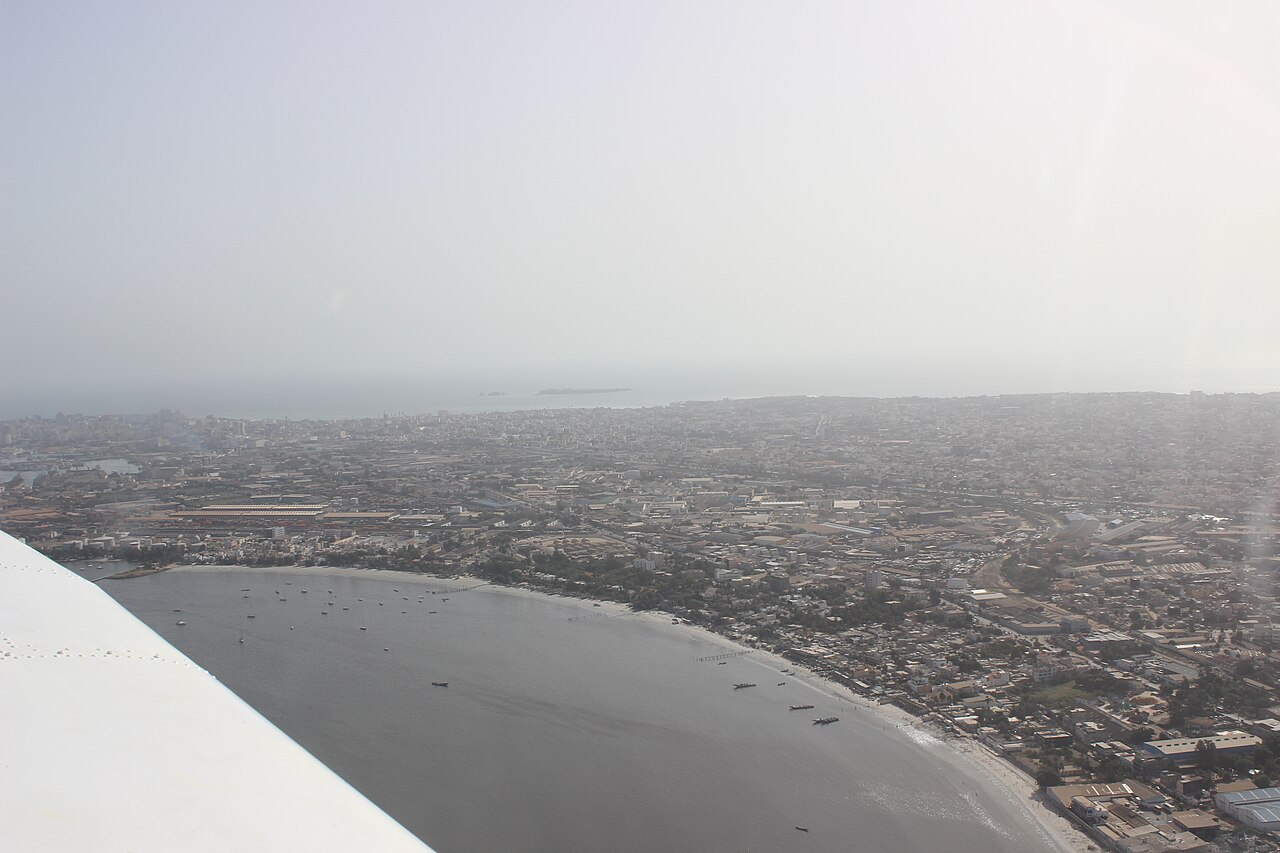
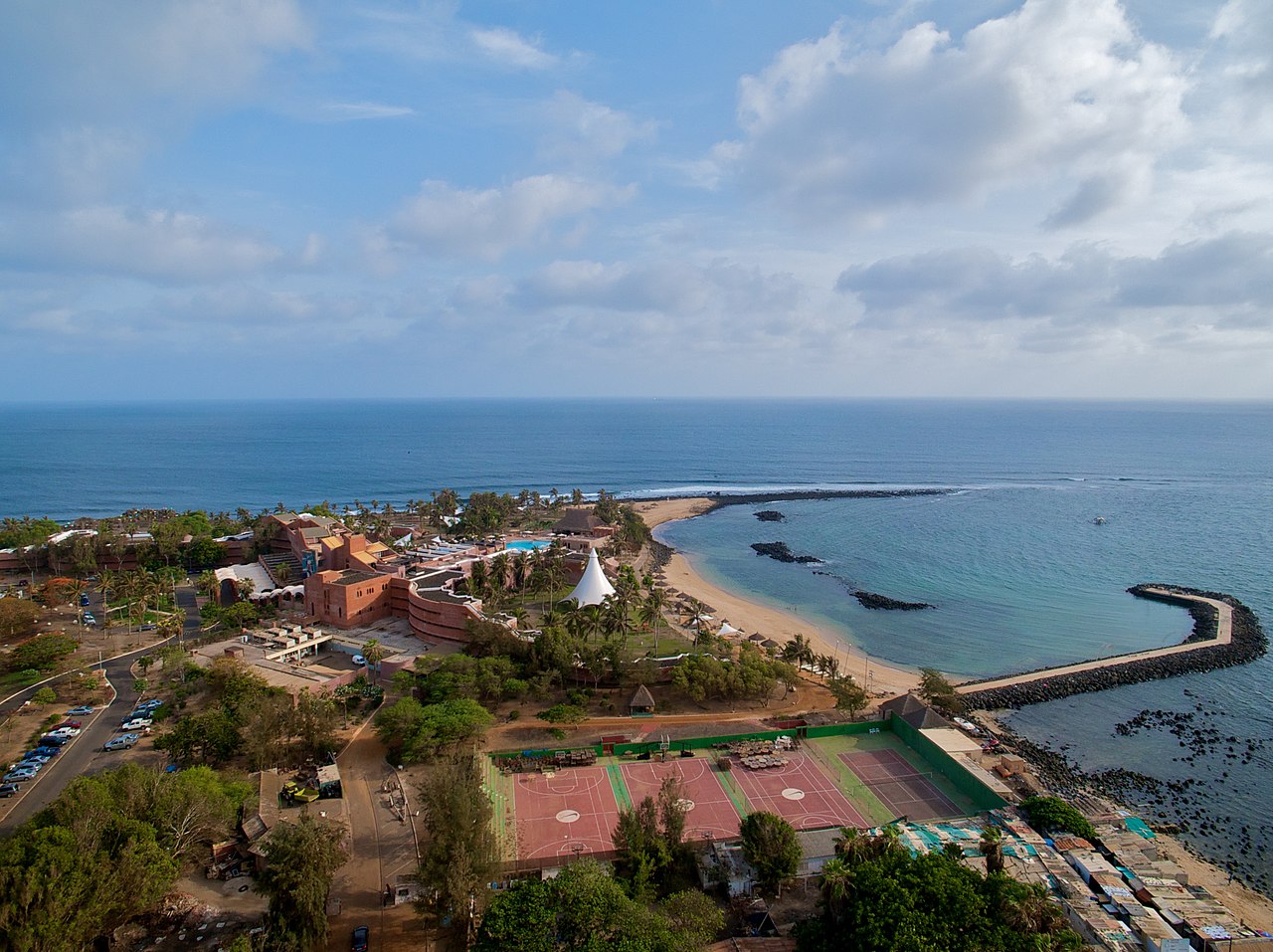
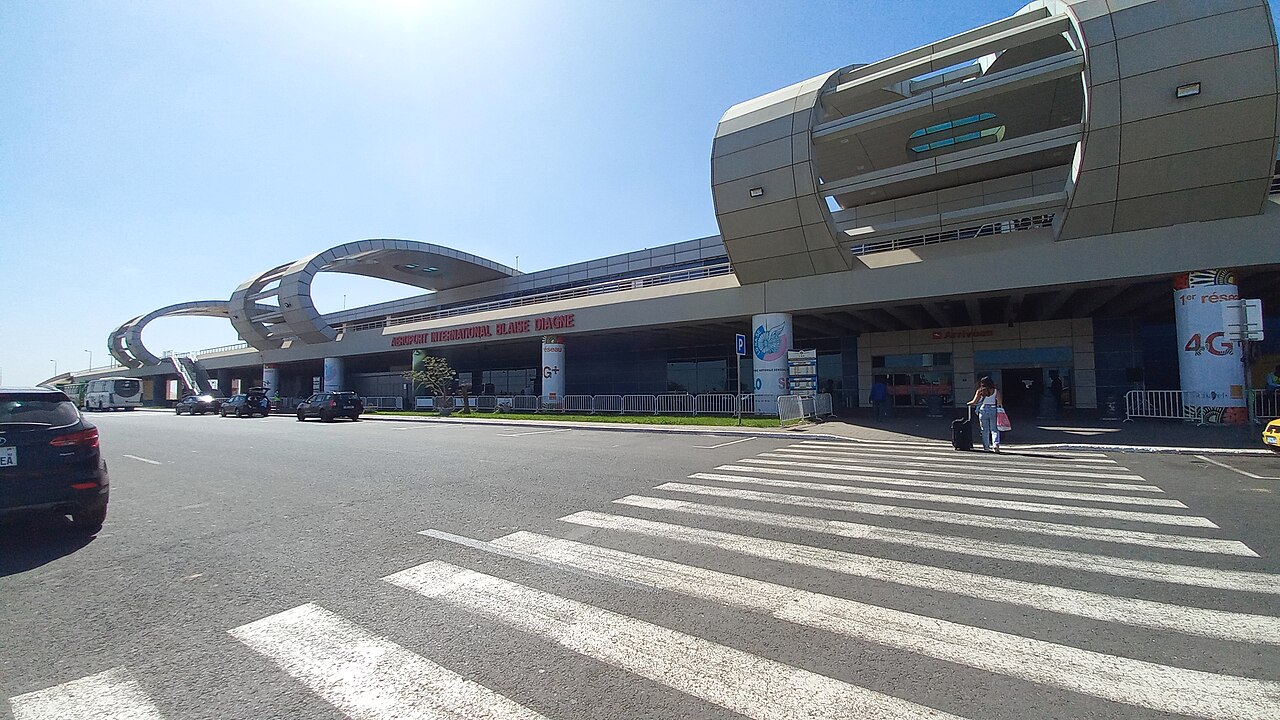
Your Africa Tour Travel representative meets you at Blaise Diagne International Airport at Diass and drives you into Dakar by private transfer — the airport sits 45 kilometres from the city, so allow up to an hour and a half on the toll road. After check-in we hold the welcome meeting: the full day-by-day programme, how each excursion and each pirogue crossing works, malaria precautions, and the rule about not walking the Corniche after dark. We fit your local SIM card with data and add you to our WhatsApp group. Sunset at the Pointe des Almadies, the westernmost point of the African continent.
WELCOME DINNER

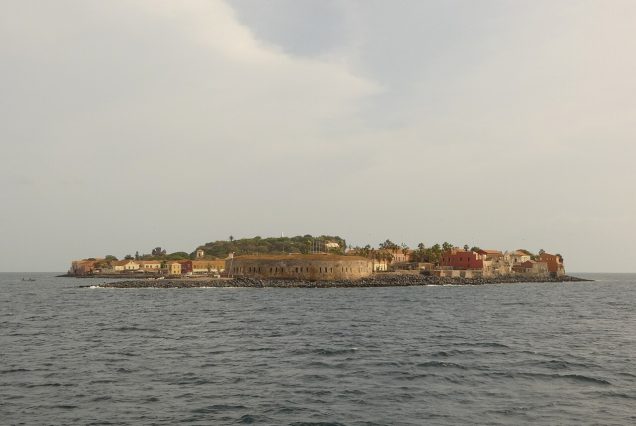
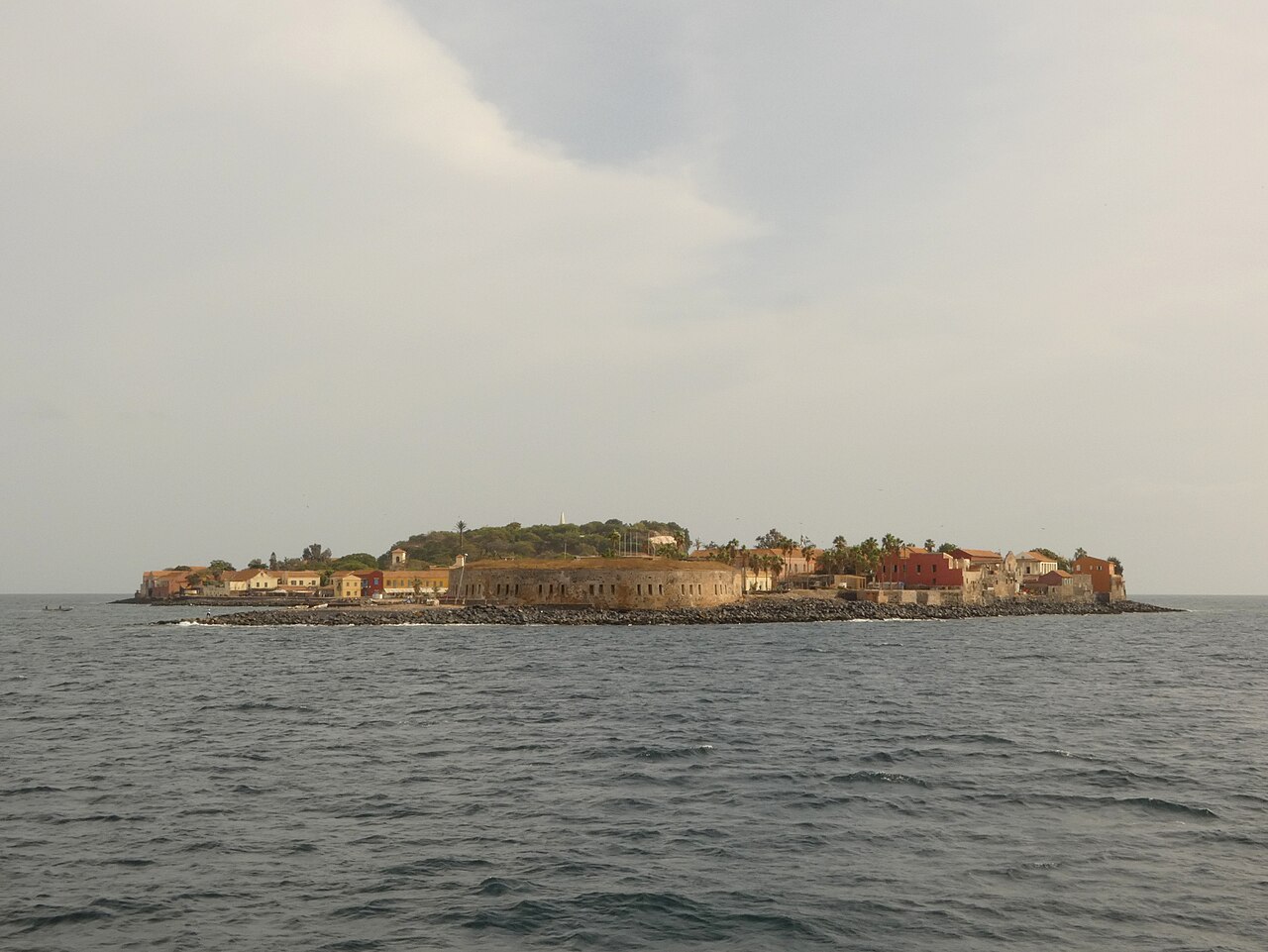
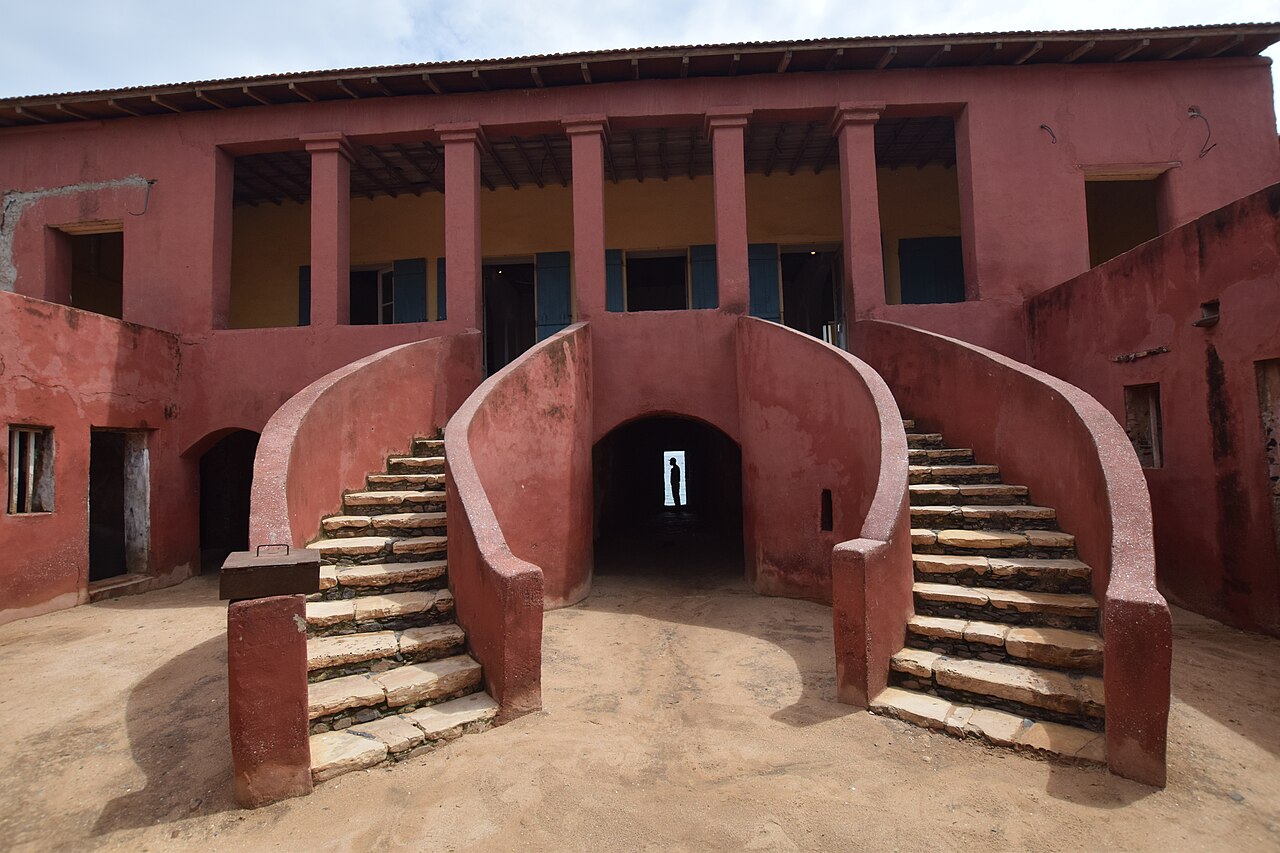
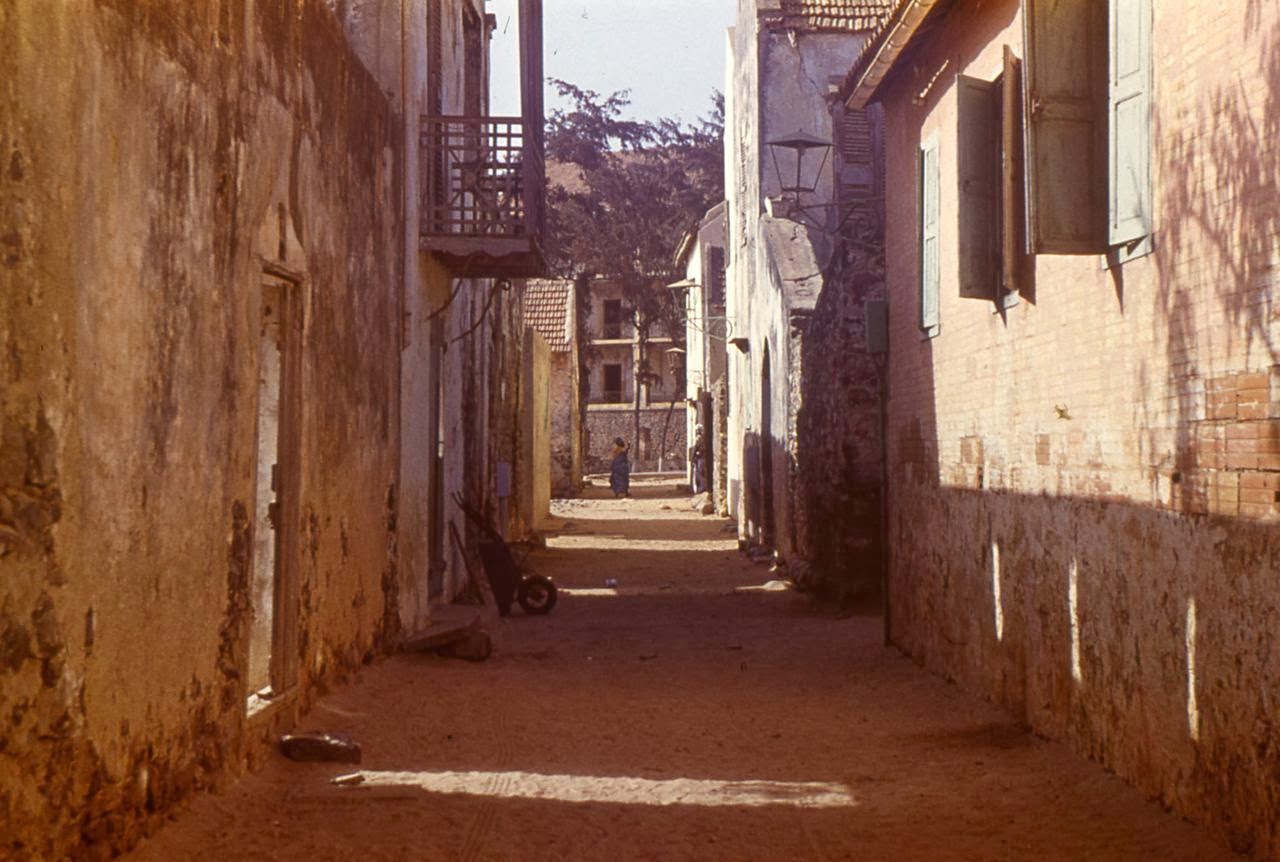
The ferry leaves the maritime terminal and crosses in twenty minutes to Gorée, listed by UNESCO in 1978. No cars and no tarmac: ochre houses, bougainvillea and basalt walls. The visit centres on the House of Slaves and its Door of No Return facing the Atlantic — we book a private guided visit so the group has the building to itself. The rest of the day belongs to the Castel, the artists' workshops and lunch on a terrace above the water. Bring your identity papers, they are checked at the jetty.
BREAKFAST | LUNCH
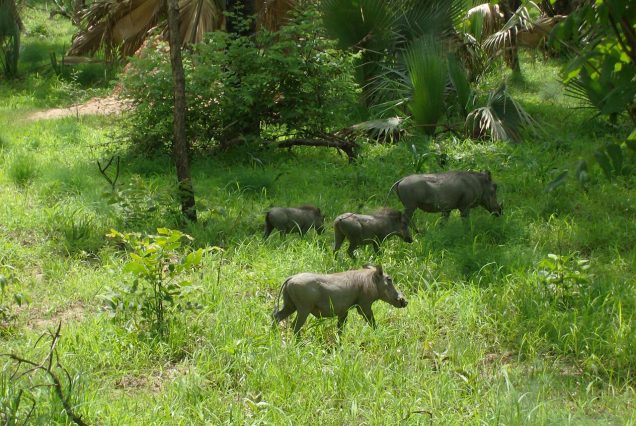
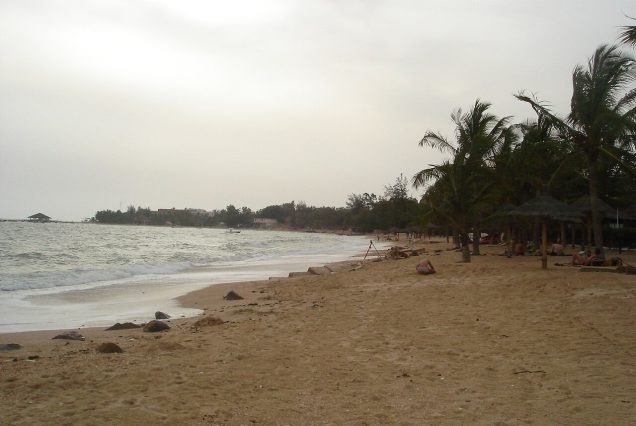
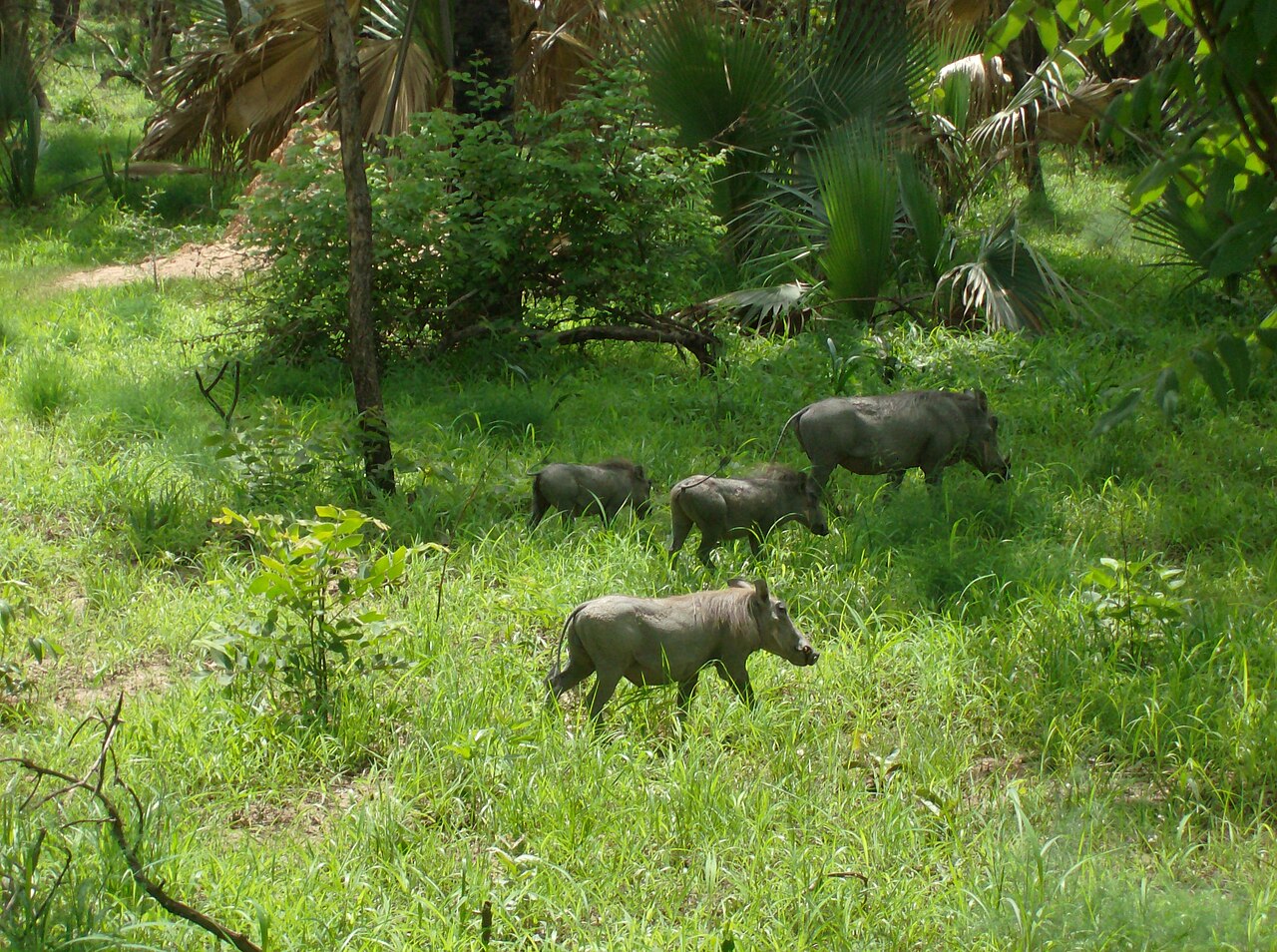
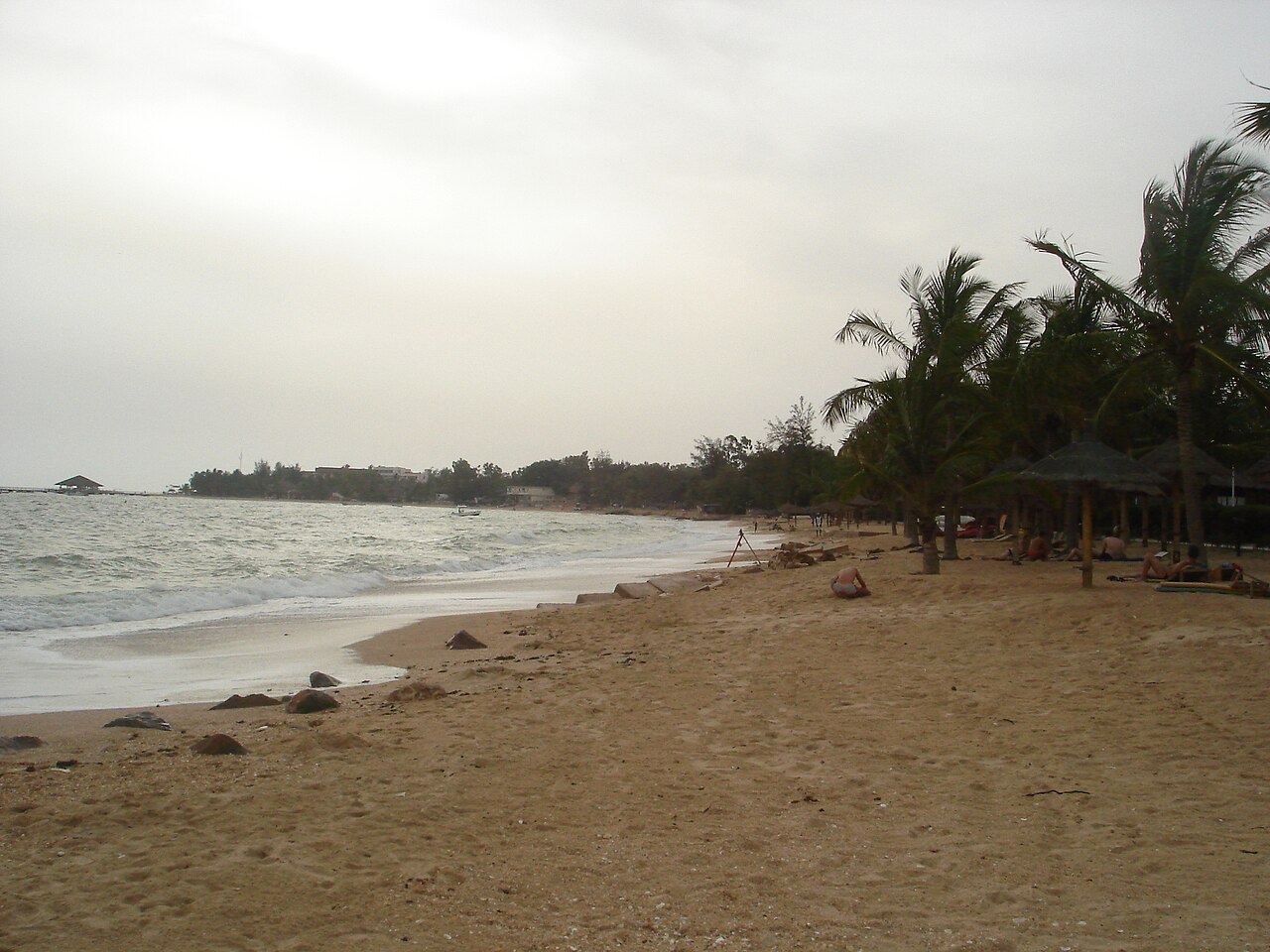
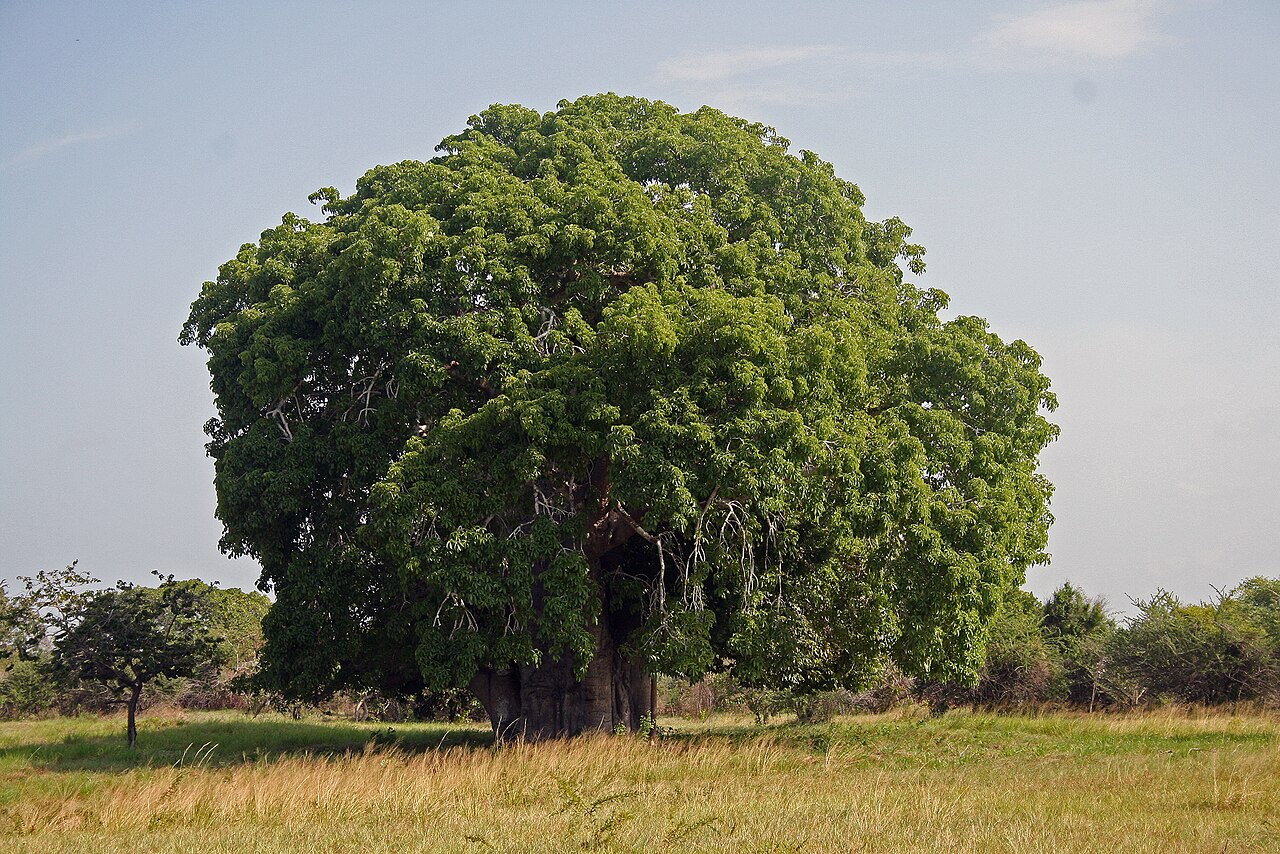
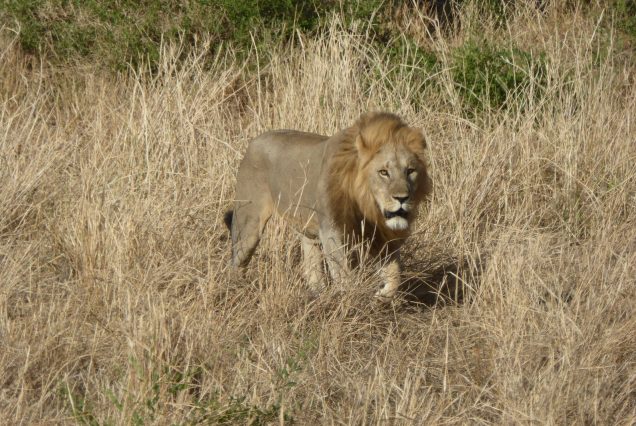
We leave Dakar southbound on the Diamniadio motorway for the Petite Côte, about 85 kilometres and an hour and a half to Saly-Mbour. On the way, a 4x4 game drive with a ranger through the Bandia Reserve — 3,500 fenced hectares opened in 1990 on a remnant of dry forest, where giraffes, rhinos, zebras, elands and impalas have been reintroduced alongside the resident warthogs, patas monkeys and Nile crocodiles. The guide will show you the hollow baobab that once served as a griot's burial chamber. Late afternoon on the beach at Saly.
BREAKFAST | LUNCH | DINNER
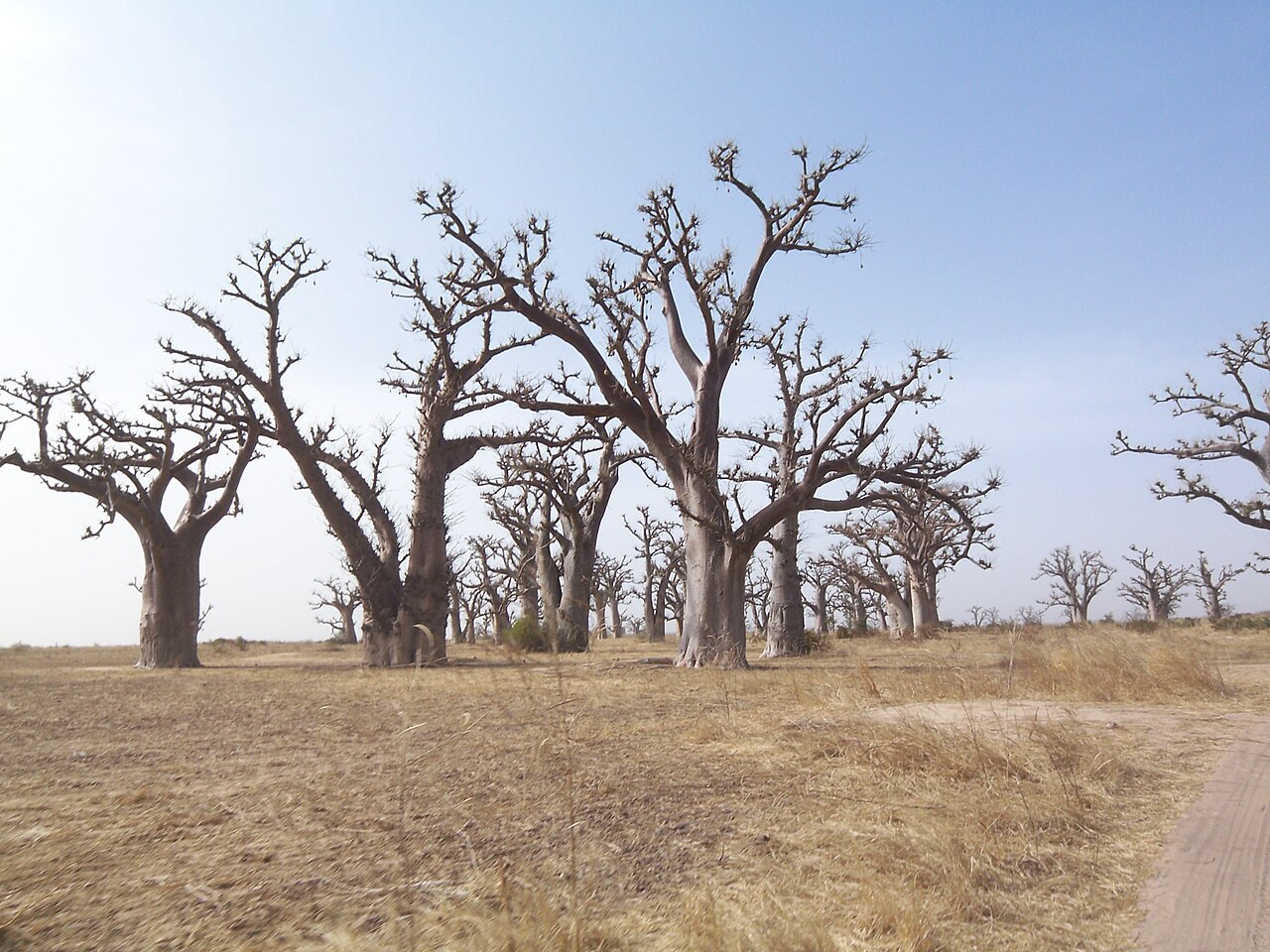
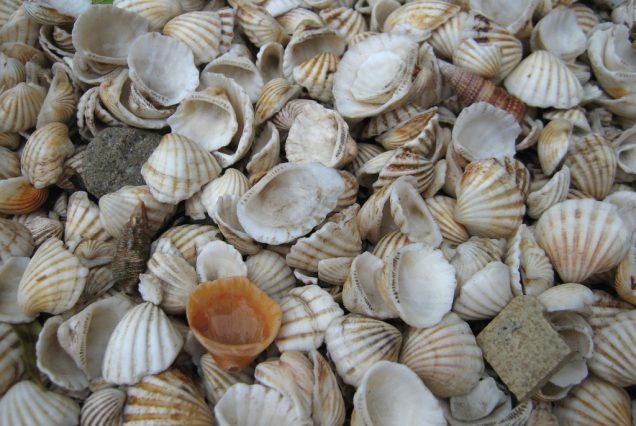
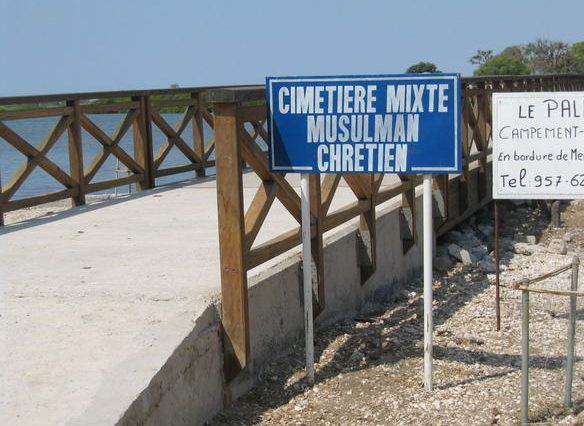
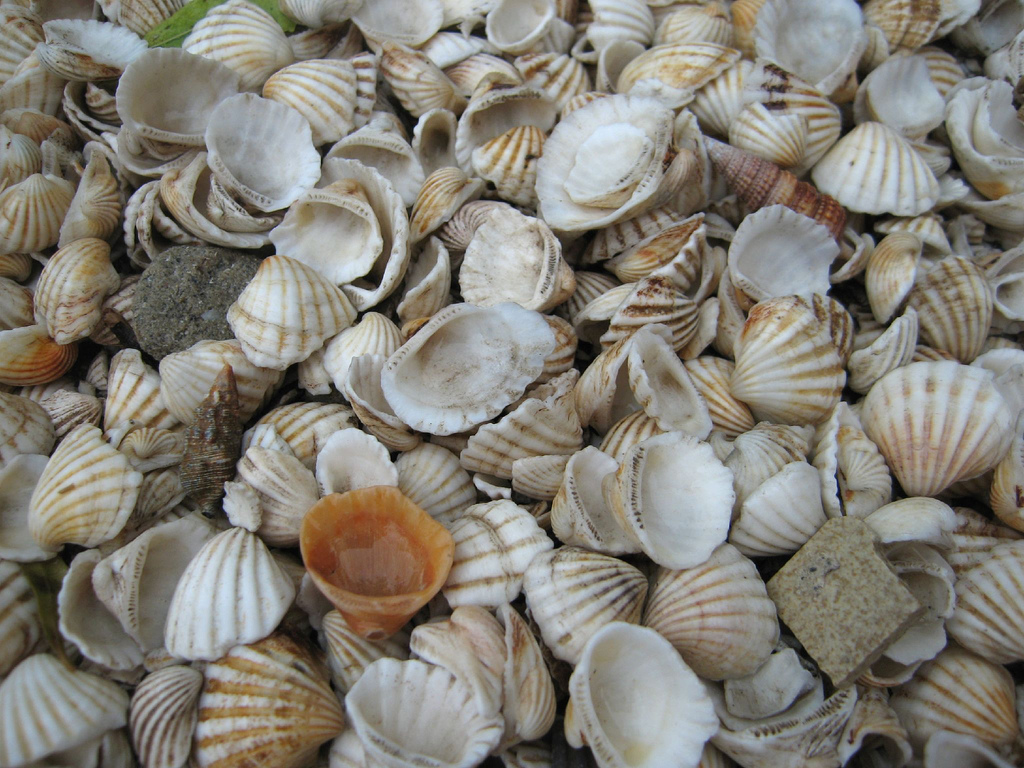
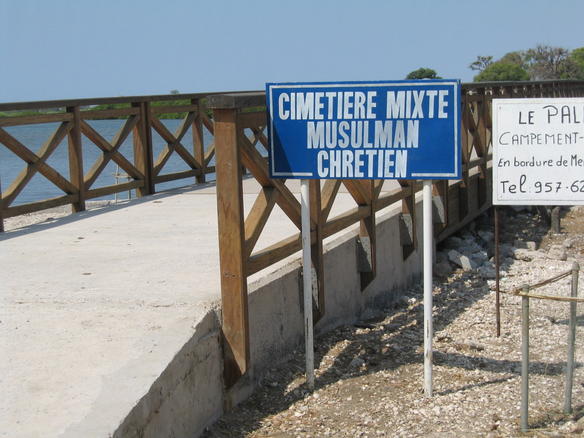
An hour south of Saly lies Joal, the fishing town where Léopold Sédar Senghor was born in 1906. Facing it, reached by a wooden footbridge some four hundred metres long, is Fadiouth — an island built entirely of clam shells piled up over centuries, where no car has ever run. We walk the shell lanes between the stilted granaries, then cross to the second islet and its cemetery, where Muslim and Christian graves lie side by side under the same baobabs. In a country that is more than ninety per cent Muslim, Fadiouth is largely Christian, and that coexistence is the point of the visit.
BREAKFAST | LUNCH
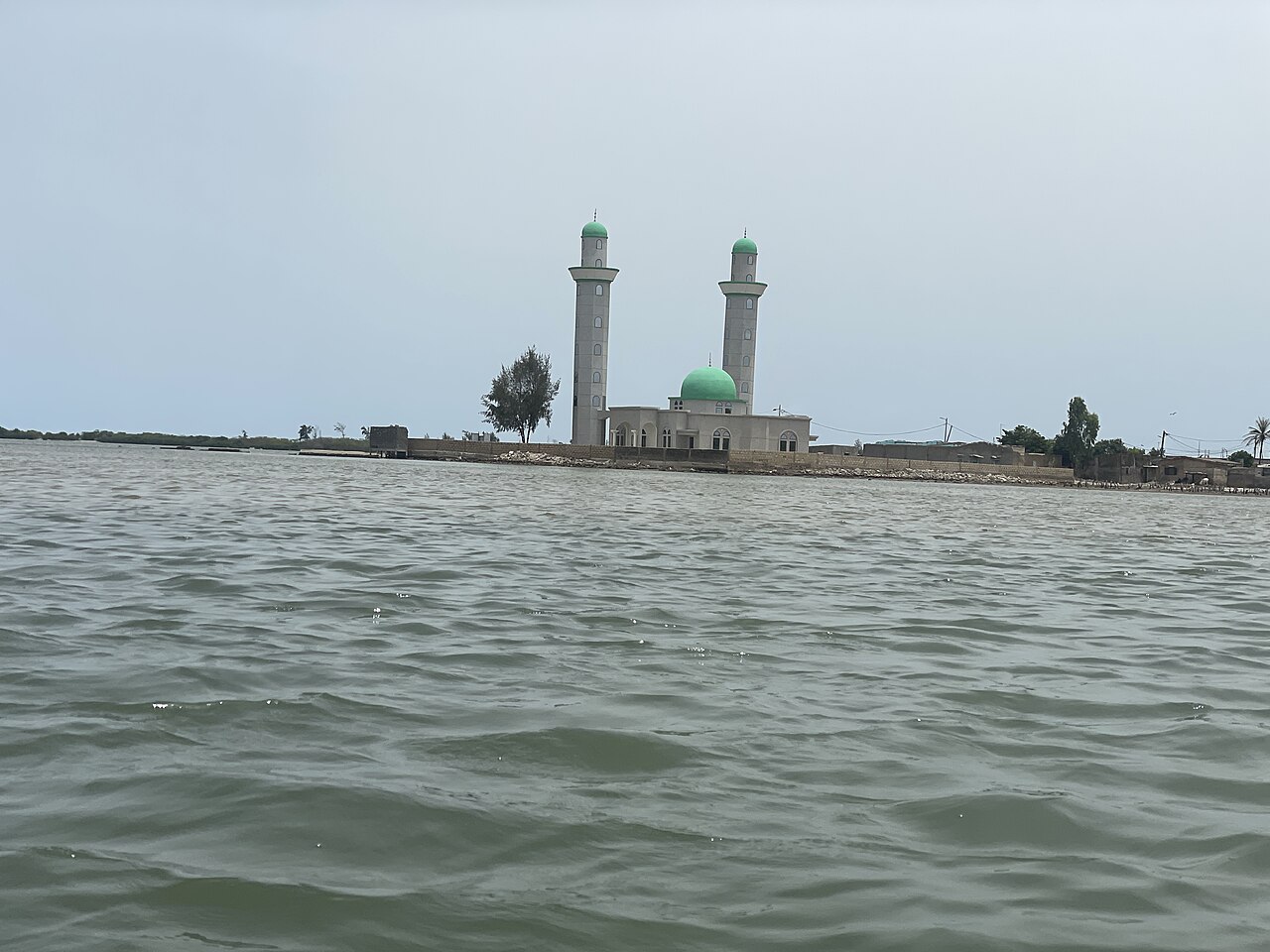
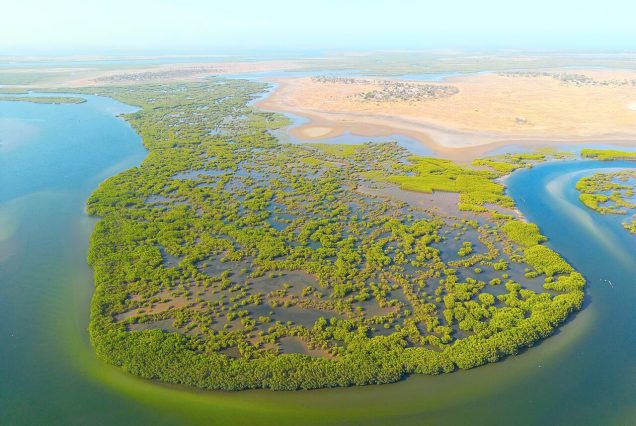
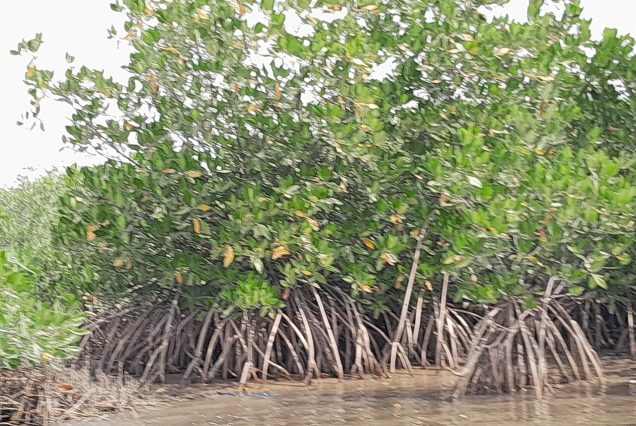
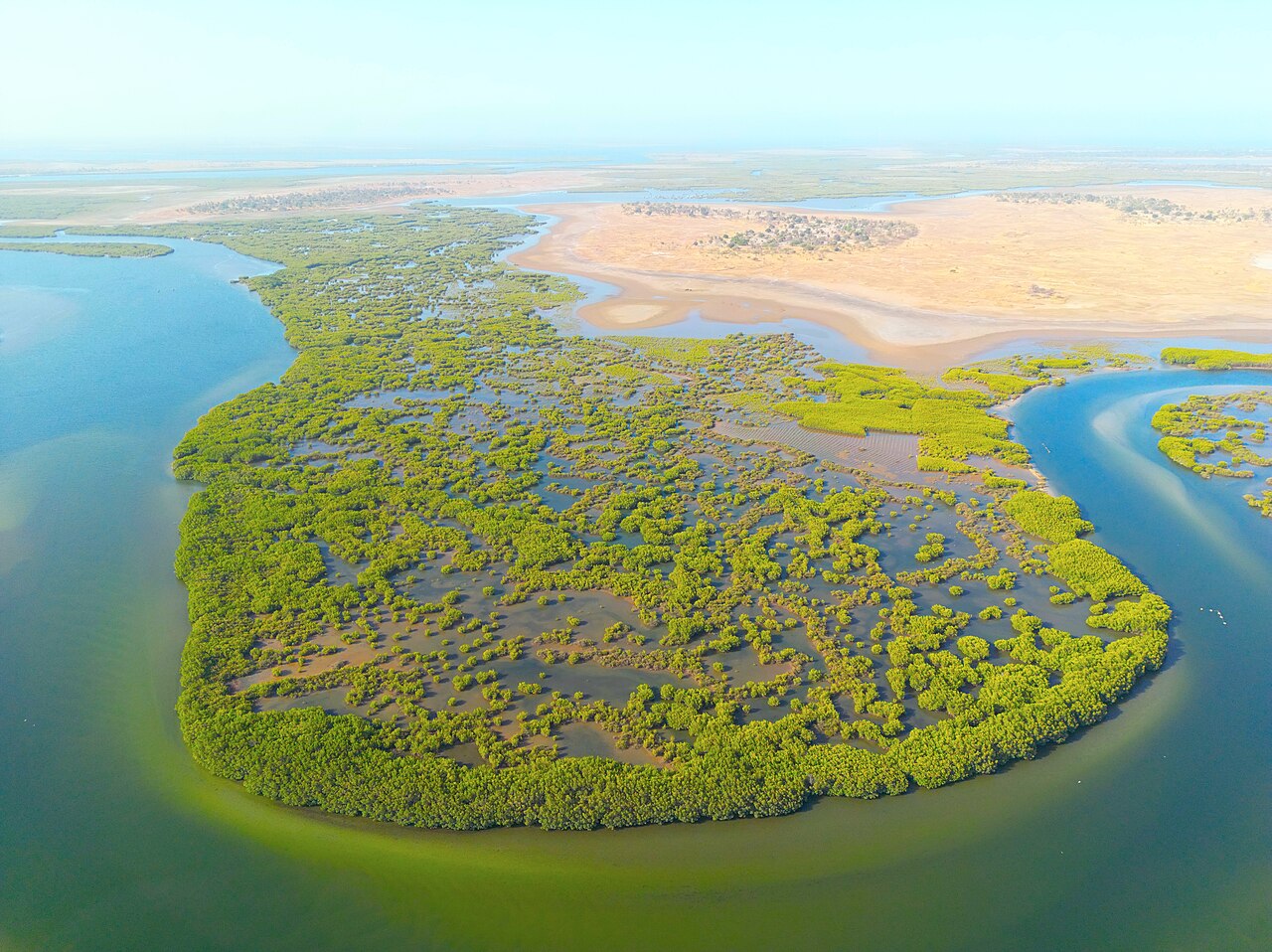
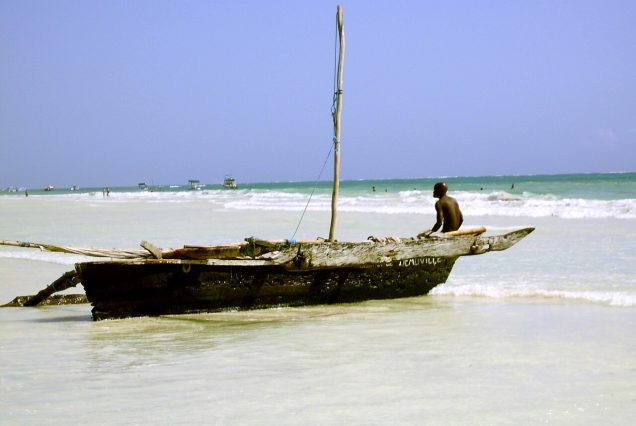
From the landing stage at Ndangane a motorised pirogue takes us into the delta of the Sine and the Saloum — 180,000 hectares of channels, islands and mangrove, a biosphere reserve since 1981 and a UNESCO World Heritage site since 2011. We follow the bolongs where the current reverses with the tide, past Rhizophora roots hung with wild oysters, and land on the island of Mar Lodj, which has neither road nor bridge. Lunch is grilled fish under the palms with the village fishermen.
BREAKFAST | LUNCH | DINNER
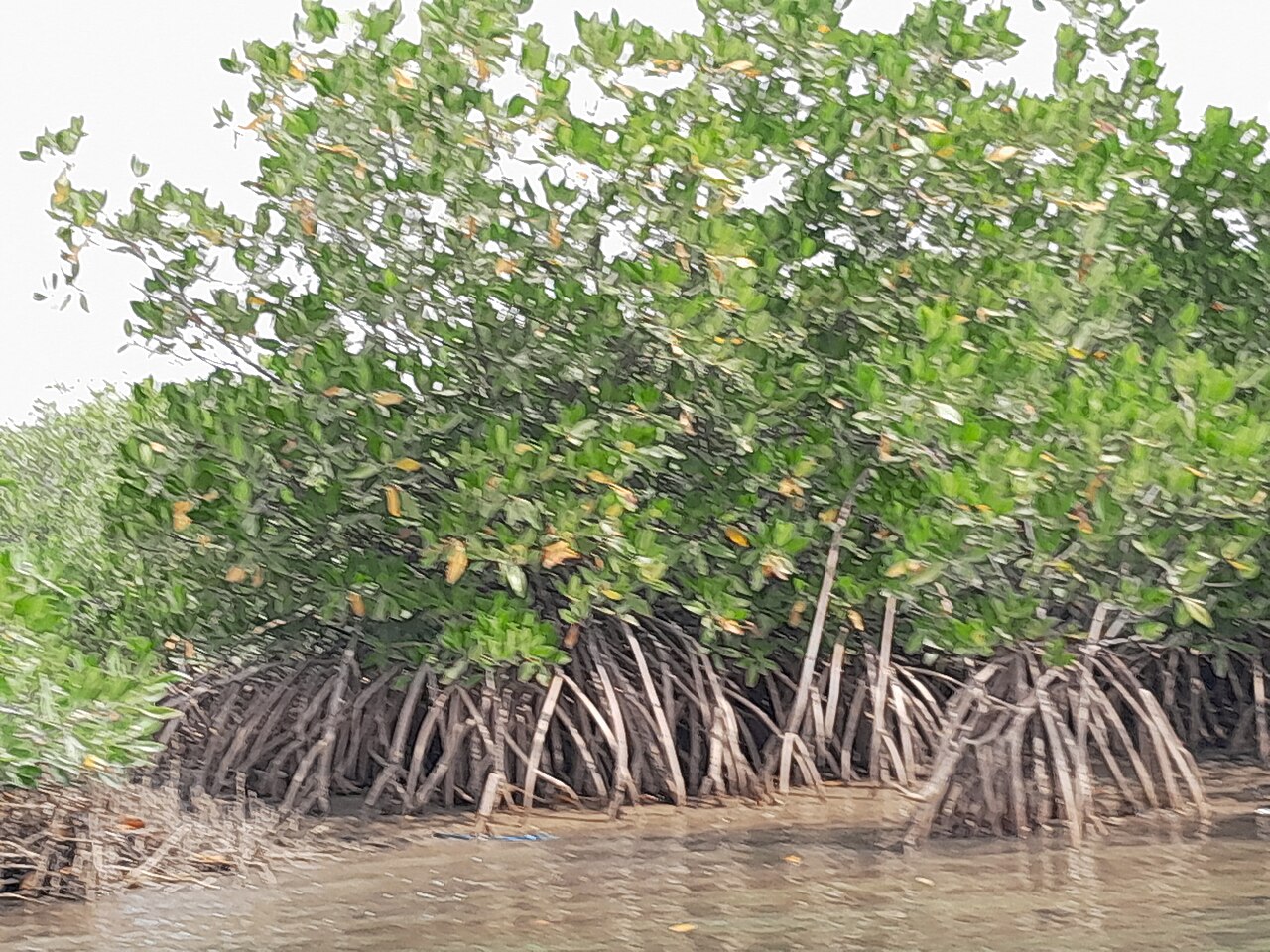
A second morning on the water, this time towards the shell mounds of Dionewar and Diorom Boumak — artificial mounds raised by the Serer over more than a thousand years, several of them burial tumuli, and among the oldest human traces on this coast. We meet the women's cooperatives who farm and smoke the oysters, a trade that now replants mangrove instead of cutting it. In the afternoon we drive back up the Petite Côte to Saly, with a stop at the Somone lagoon, a marine protected area created in 1999 where the baobabs come right down to the water.
BREAKFAST | LUNCH
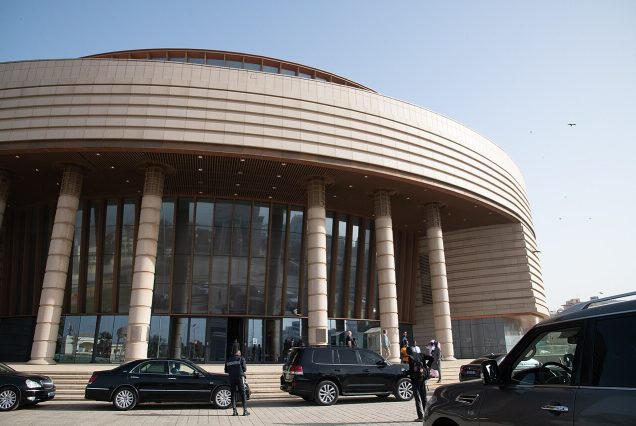
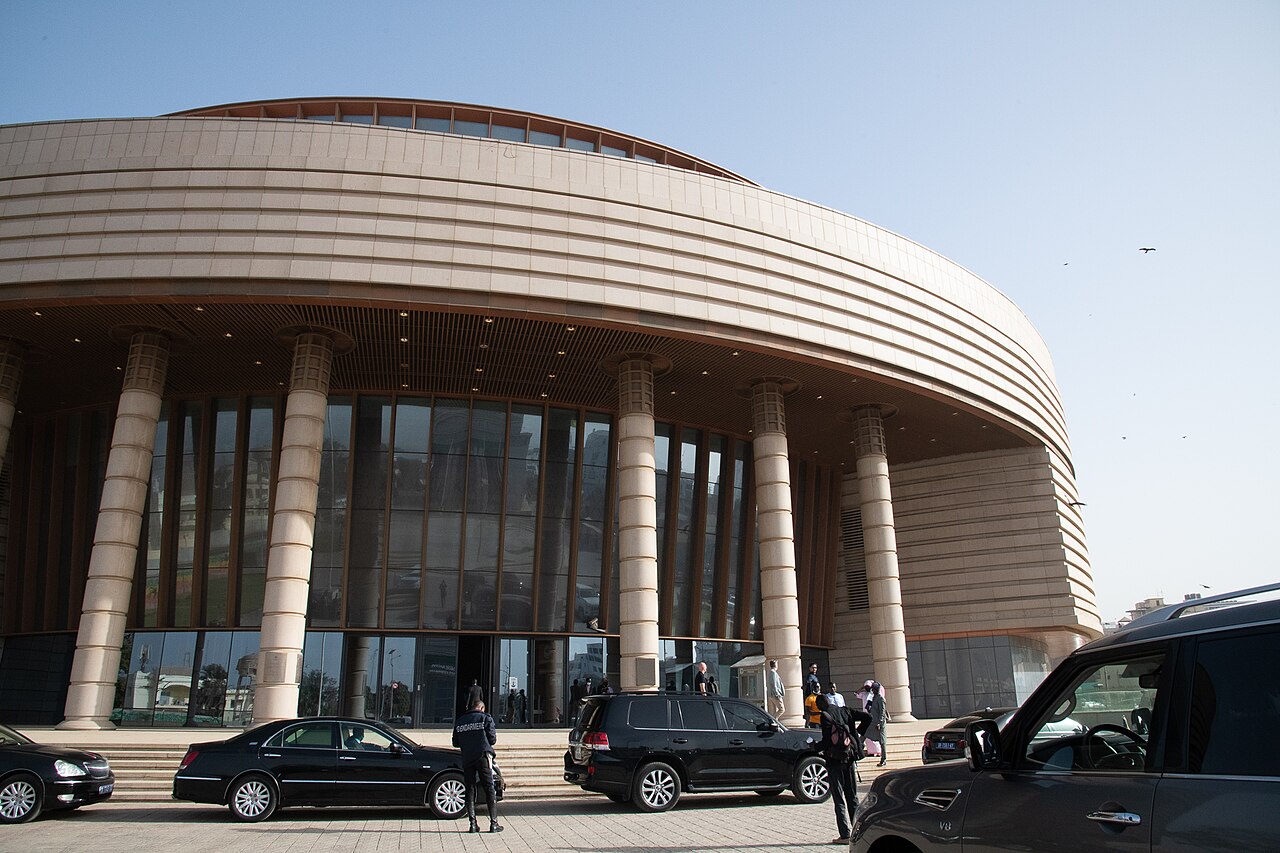
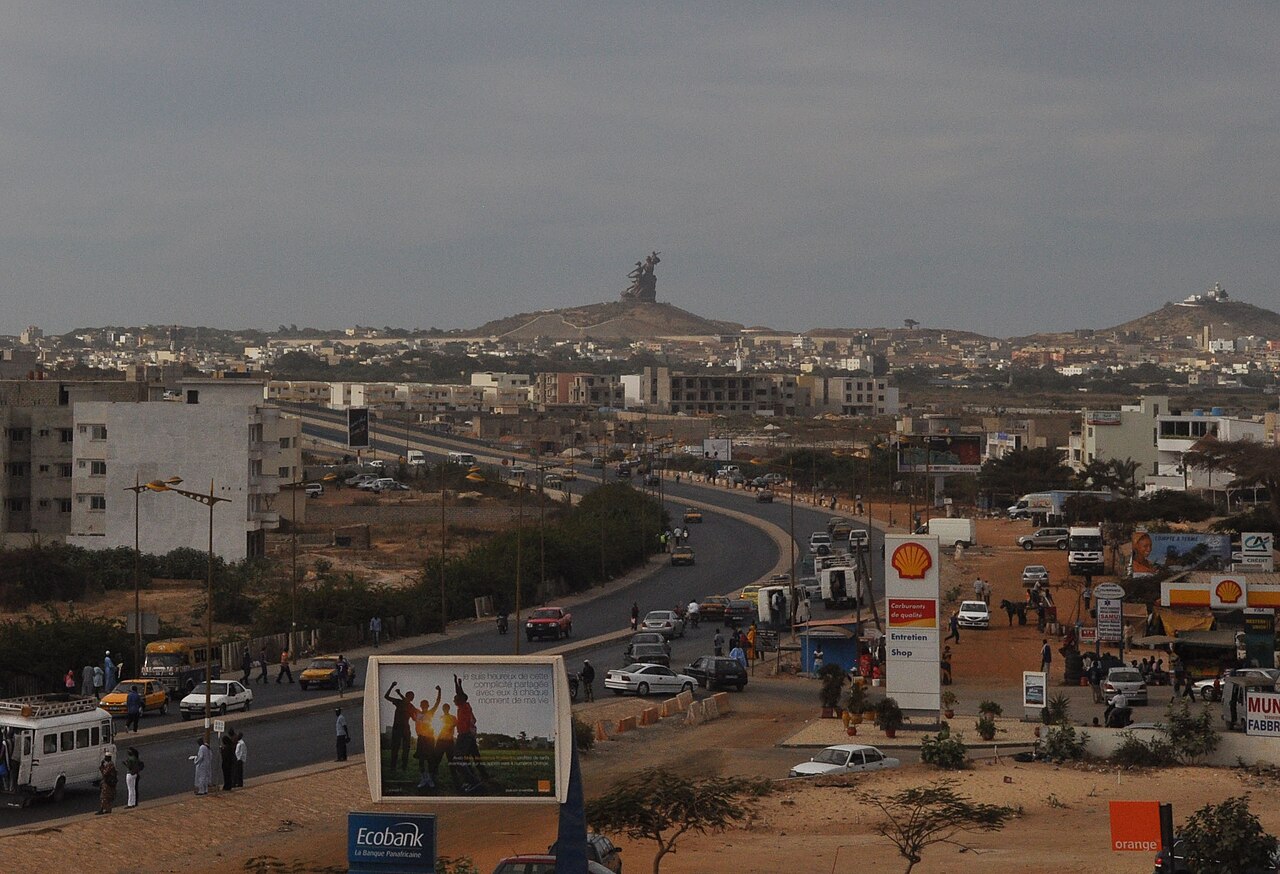
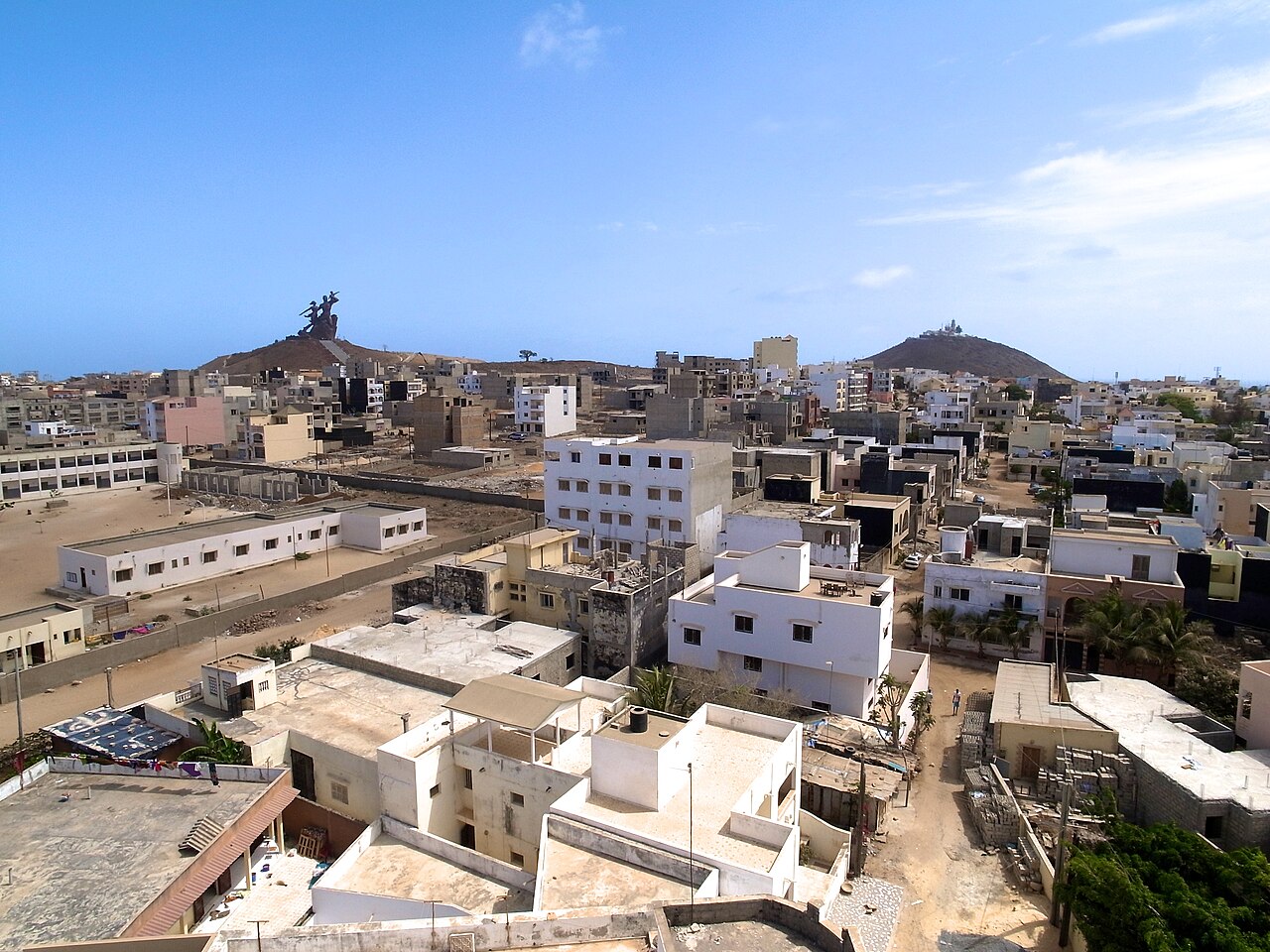
Back in the capital for the Museum of Black Civilisations, opened in 2018: thirteen thousand square metres over four levels, in a rotunda inspired by the impluvium houses of Casamance. Then the African Renaissance Monument on the Mamelles hill, whose belvedere inside the head of the statue gives the widest view over the peninsula and its lighthouse. The afternoon is for the Kermel market, the colonial iron hall of the Plateau, for cloth, spices and crafts — note that the historic Sandaga market was demolished in 2020 and has not been rebuilt. Farewell dinner and screening of your photo report.
BREAKFAST | DINNER
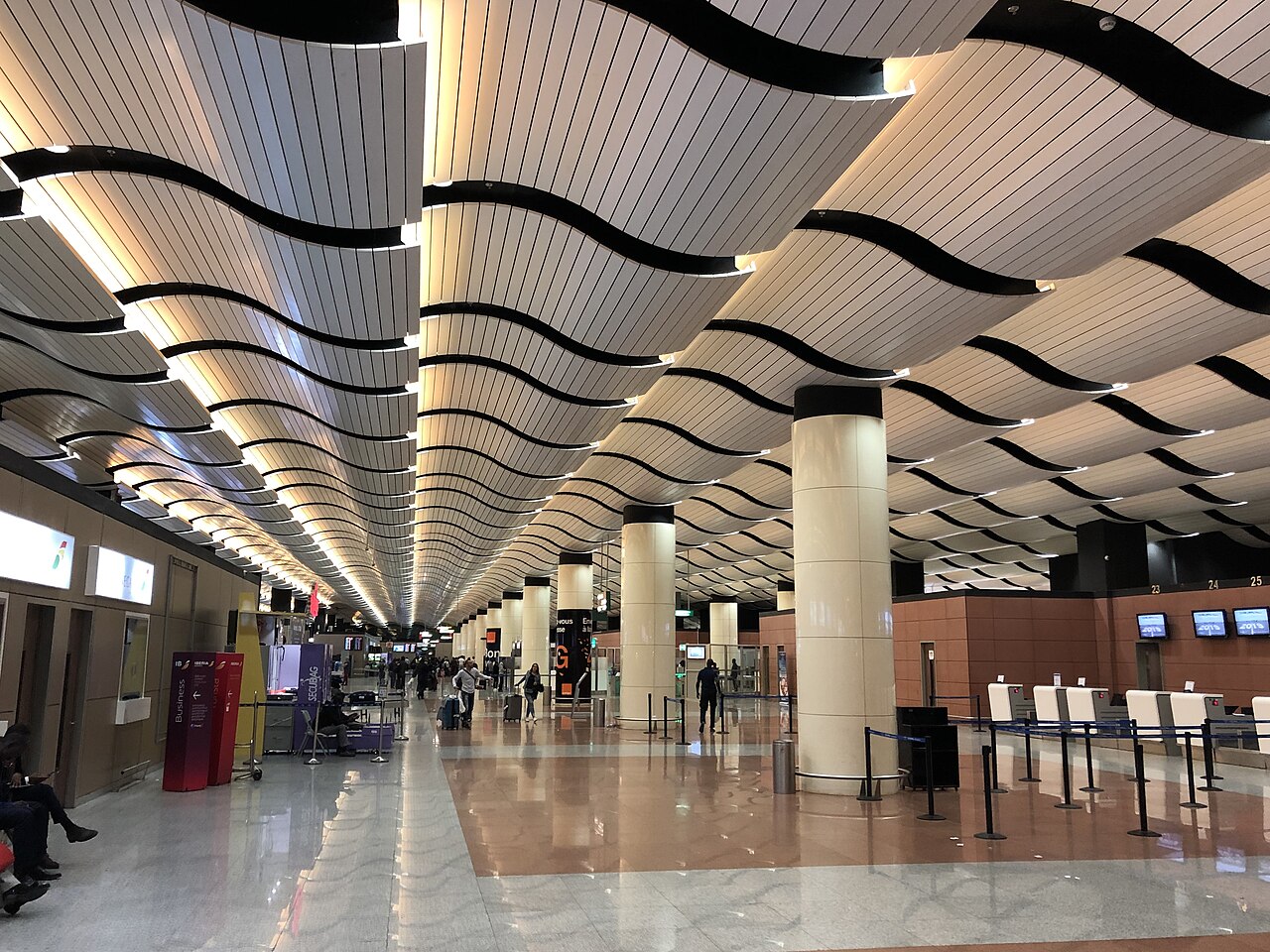
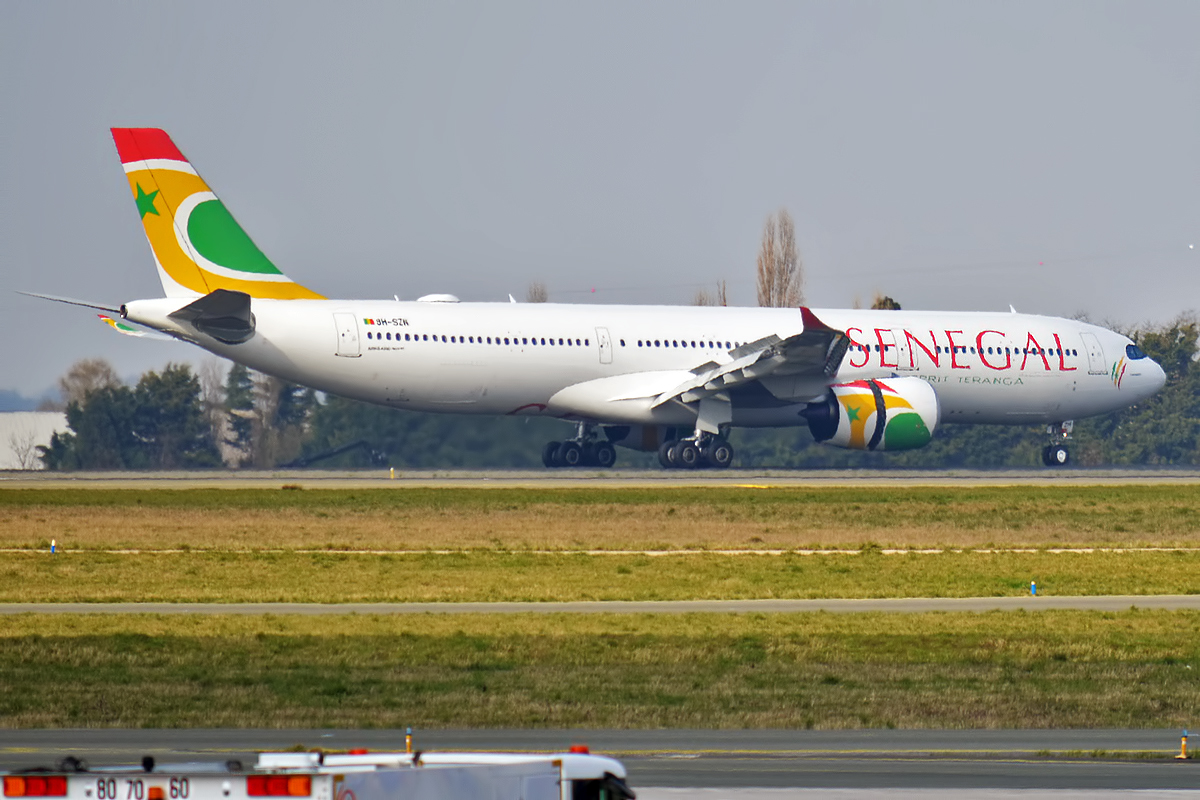
A final Senegalese breakfast, then a private transfer to Blaise Diagne International Airport, with your photographs and a personal album to take home. We leave a wide margin: the airport is 45 kilometres from Dakar and the toll road can be slow at peak hours.
BREAKFAST




Reviews
There are no reviews yet.